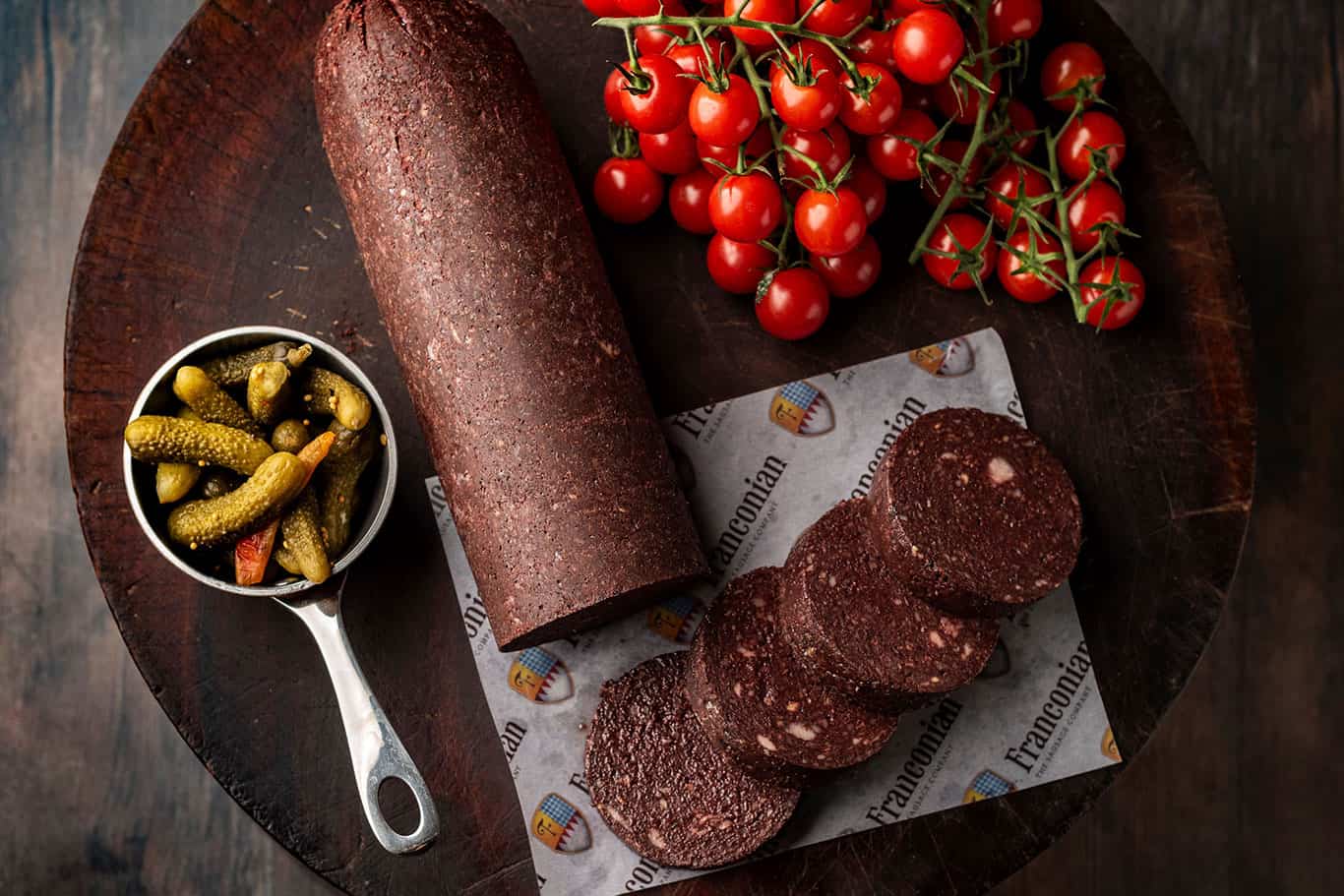
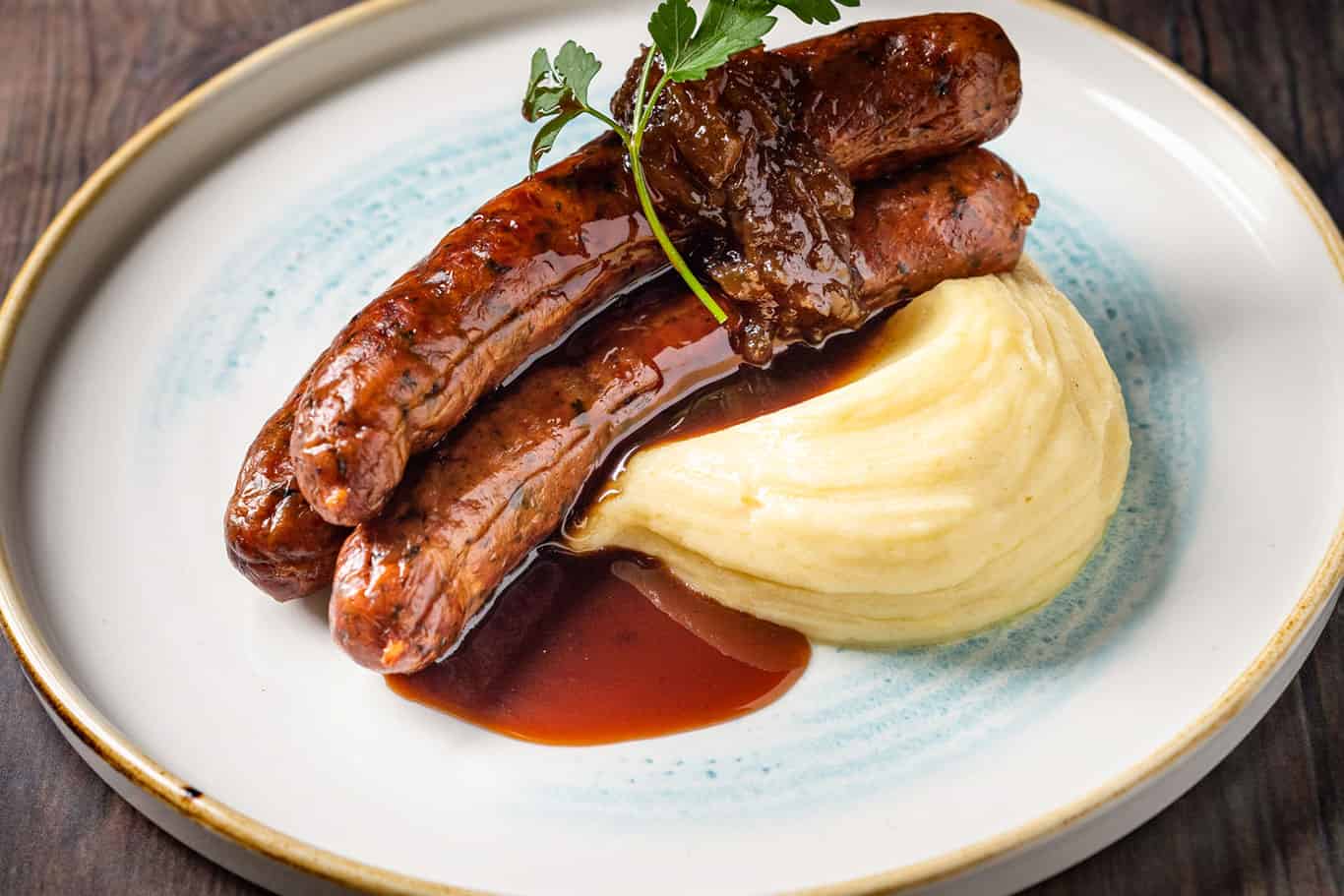
Kielbasa should be cooked in a way that suits the type of sausage you have and the dish you want to make. It can be gently heated, pan-fried, grilled, baked, simmered or added to stews, soups and tray bakes. The best method depends on whether the kielbasa is fresh, smoked, cured or already cooked.
For many people in the UK, kielbasa refers to Polish-style smoked sausage. This type is often already cooked during production, which means it usually only needs reheating before serving. Fresh kielbasa, however, must be cooked fully before it is eaten. That difference matters for both food safety and eating quality.
When cooked well, kielbasa should be juicy, savoury and full of flavour. It should not be dry, split aggressively or become rubbery. The aim is to heat it properly while preserving its texture and allowing the seasoning and smoke to come through.
What is kielbasa?
Kielbasa is the Polish word for sausage. In English-speaking countries, it is often used to describe Polish sausage specifically, especially smoked pork sausage. However, in Poland, the word can refer to many different types of sausage.
Some kielbasa is fresh and raw. Some is smoked. Some is dried or cured. Some is designed to be sliced and eaten cold, while other types are best heated, grilled or cooked into dishes.
This is why there is no single cooking method that applies to every kielbasa. The first step is always to understand what type you are working with. A fresh sausage needs different handling from a smoked sausage that has already been cooked.
Most supermarket-style kielbasa or Polish smoked sausage is ready-cooked, but it should still be heated carefully if you are serving it hot.
Is kielbasa already cooked?
Some kielbasa is already cooked, and some is not. This is the most important point to check before cooking.
Smoked kielbasa is often cooked during production. It may only need reheating, browning or adding to a dish. Fresh kielbasa, by contrast, is raw and must be cooked thoroughly before serving.
The easiest way to tell is to check the supplier’s label or product guidance. If the kielbasa is labelled as cooked, smoked, ready to eat or heat and serve, it usually only needs warming. If it is labelled as fresh or raw, treat it like any other raw sausage and cook it fully.
For restaurants, caterers and food businesses, this distinction is especially important. Clear storage, preparation and serving guidance helps ensure both safety and consistency.
What is the best way to cook kielbasa?
The best way to cook kielbasa depends on the result you want. If you want a crisp outside and deeper flavour, pan-frying or grilling works well. If you want a softer, juicier result, simmering or gentle heating may be better. If you are cooking for a group, baking or tray baking can be practical.
For most smoked kielbasa, a good approach is to slice it and pan-fry it lightly until browned. This brings out the savoury flavour and adds texture. Whole kielbasa can also be gently heated in water, then finished in a pan or on a grill if you want extra colour.
Fresh kielbasa often benefits from being simmered first, then browned. Simmering helps cook it through evenly, while browning adds flavour at the end.
The goal is to avoid harsh, high heat for too long. Too much aggressive heat can cause the casing to split and the sausage to lose moisture.
How to pan-fry kielbasa
Pan-frying is one of the easiest ways to cook kielbasa, especially if it is already smoked or cooked. It gives the sausage a browned surface and intensifies the flavour.
Slice the kielbasa into rounds, diagonal pieces or lengthways halves, depending on how you want to serve it. Heat a frying pan over a medium heat. Add a small amount of oil only if needed, as many sausages release some fat as they cook.
Cook the pieces until they are browned on both sides and heated through. This usually does not take long for cooked kielbasa. Avoid turning the heat too high, as the outside may burn before the inside is properly warm.
Pan-fried kielbasa works well with onions, peppers, potatoes, cabbage, eggs, rice and pasta. It is also a good method for breakfast-style dishes, quick lunches and casual meals.
How to grill kielbasa
Grilling is a good choice when you want a smoky, charred or barbecue-style finish. Kielbasa is well suited to grilling because its savoury flavour works with direct heat.
If the kielbasa is already cooked, it only needs to be heated through and browned. Grill over a medium heat and turn regularly so it does not burn. If grilling whole sausages, avoid cutting deep slashes into them, as this can cause juices to escape.
Fresh kielbasa should be cooked more carefully. It may be better to simmer it first until cooked through, then finish it on the grill for colour and flavour. This reduces the risk of the outside becoming too dark while the centre remains undercooked.
Grilled kielbasa works well in rolls, with mustard, with sauerkraut, or as part of a barbecue platter.
How to boil or simmer kielbasa
Boiling is not always the best word, because a gentle simmer is usually better than a hard boil. Harsh boiling can make sausage casings split and may affect the texture.
Simmering is useful for fresh kielbasa or when you want a softer result. Place the sausage in a pan of water, stock or beer, then heat gently. The liquid should be hot and lightly simmering rather than rapidly boiling.
For smoked, cooked kielbasa, simmering can warm it through without drying it out. For fresh kielbasa, simmering helps cook it evenly. Once cooked, it can be browned in a pan or on a grill if you want extra flavour.
Simmered kielbasa can be served with potatoes, cabbage, sauerkraut, mustard, rye bread or pickles. It can also be sliced into soups and stews.
How to bake kielbasa
Baking kielbasa is useful when cooking for several people or when you want a simple, hands-off method. It works especially well in tray bakes with vegetables.
Slice or portion the kielbasa, then bake it with ingredients such as potatoes, onions, peppers, carrots, cabbage, tomatoes or squash. As it cooks, the sausage releases flavour into the vegetables, helping create a more satisfying dish.
For cooked kielbasa, baking is mainly about heating and browning. For fresh kielbasa, make sure it reaches a safe cooked-through state before serving.
Baked kielbasa is a practical option for family meals, pubs, catering and buffet-style service because it can be prepared in larger batches without constant attention.
Can kielbasa be cooked in soups and stews?
Yes. Kielbasa works very well in soups and stews because it adds savoury depth to the cooking liquid. Smoked kielbasa is especially useful because it brings a smoky flavour that spreads through the whole dish.
It can be added to bean soups, cabbage soups, lentil stews, potato soups, tomato-based dishes and rustic casseroles. Slicing and browning the kielbasa before adding it to the pot can create a deeper flavour.
If the sausage is already cooked, it can be added later in the cooking process so it does not become overcooked. If using fresh kielbasa, make sure it is fully cooked before serving.
Kielbasa is particularly good with ingredients that absorb flavour, such as beans, potatoes, rice, lentils and cabbage.
Should kielbasa be sliced before cooking?
Kielbasa can be cooked whole or sliced. The best option depends on the dish.
Slicing before cooking creates more browned surface area, which means more flavour. It is ideal for frying, rice dishes, pasta, breakfast hashes, soups and tray bakes. Sliced kielbasa also cooks quickly and mixes easily with other ingredients.
Cooking whole helps keep more moisture inside the sausage. This can be better for grilling, simmering or serving in rolls. Whole kielbasa can also be sliced after heating if you want a cleaner presentation.
For menus and catering, sliced kielbasa is often easier to portion and distribute through a dish. Whole kielbasa can feel more generous and traditional when served as the main feature.
How do you stop kielbasa from drying out?
To stop kielbasa from drying out, avoid excessive heat and long cooking times, especially if it is already cooked. Cooked smoked kielbasa only needs heating and browning, not prolonged cooking.
If pan-frying, use medium heat and stop once the sausage is hot and lightly browned. If grilling, turn it regularly and avoid charring it heavily. If baking, include vegetables, sauce or a little liquid to help keep the dish moist.
Fresh kielbasa needs longer cooking, but it should still be treated carefully. Simmering before browning can help keep it juicy while making sure it is cooked through.
The quality of the sausage also matters. A well-made kielbasa with the right balance of meat, fat and seasoning will usually stay juicier than a poor-quality sausage.
What should kielbasa be served with?
Kielbasa pairs well with simple, hearty ingredients. Traditional-style accompaniments often include mustard, sauerkraut, cabbage, potatoes, rye bread and pickles. These work because they balance the richness of the sausage.
It also suits many practical everyday meals. Kielbasa can be served with rice, pasta, beans, roasted vegetables, eggs, onions, peppers or salads. The smoky flavour makes it useful in both quick meals and slower-cooked dishes.
Good serving ideas include:
- grilled kielbasa in a roll with mustard and onions
- pan-fried kielbasa with potatoes and cabbage
- kielbasa and bean stew
- kielbasa tray bake with root vegetables
- sliced kielbasa in soup
- kielbasa with sauerkraut and rye bread
The best accompaniments usually include something sharp, fresh or starchy to balance the sausage’s richness.
Can kielbasa be eaten cold?
Some cooked or cured kielbasa can be eaten cold, depending on how it has been made. Smoked and ready-to-eat versions are often suitable for slicing into sandwiches, platters or salads.
However, not all kielbasa is ready to eat. Fresh kielbasa must be cooked before eating. Always follow the product guidance, especially if serving customers, children, older people or anyone with specific dietary concerns.
Cold cooked kielbasa can be useful for buffets, grazing boards, packed lunches and charcuterie-style plates. It works well with pickles, bread, mustard, cheese and salad vegetables.
How can restaurants and caterers use kielbasa?
Kielbasa can be a useful ingredient for restaurants, caterers and trade kitchens because it is versatile, flavourful and relatively easy to work with. It can appear in both casual and more considered dishes.
For casual menus, it works in rolls, loaded fries, breakfast dishes, rice bowls, stews and sharing boards. For more developed menus, it can be paired with braised cabbage, mustard sauces, potato purée, beans, lentils or roasted vegetables.
It is also useful for event catering because it can be cooked in batches, portioned easily and served with simple sides. Its bold flavour means it does not need excessive garnishing or complicated sauces.
For businesses, consistency is important. A reliable kielbasa should hold its shape, heat evenly and deliver the same flavour from batch to batch.
What mistakes should you avoid when cooking kielbasa?
The most common mistake is overcooking. Cooked kielbasa does not need to be treated like a raw sausage. If it is heated too long or too aggressively, it can dry out or become tough.
Another mistake is boiling it rapidly. A hard boil can damage the texture and cause splitting. Gentle simmering is usually better.
It is also important not to overpower the sausage with too many strong sauces. Kielbasa already has a distinctive flavour, especially if smoked. Mustard, pickles, onions, cabbage, potatoes and lighter sauces often work better than heavy toppings that hide the sausage completely.
Finally, do not assume every kielbasa is the same. Fresh, smoked, cooked and cured versions all need slightly different handling.
Frequently Asked Questions
Do you need to boil kielbasa before frying it?
Not always. If the kielbasa is already cooked or smoked, you can usually slice and fry it straight away. Fresh kielbasa may benefit from simmering first so it cooks evenly before browning.
Can you cook kielbasa in the oven?
Yes. Kielbasa can be baked whole, sliced or as part of a tray bake. It works well with potatoes, onions, peppers, cabbage and root vegetables.
How long should kielbasa be cooked?
The timing depends on whether it is fresh or already cooked. Cooked kielbasa usually only needs reheating and browning. Fresh kielbasa must be cooked thoroughly before serving, following the supplier’s guidance.
Should kielbasa be grilled or fried?
Both methods work well. Grilling gives a smoky, barbecue-style finish, while frying is quick and creates a browned surface. The best method depends on how you plan to serve it.
What flavours go well with kielbasa?
Kielbasa goes well with mustard, sauerkraut, cabbage, potatoes, onions, peppers, beans, lentils, pickles, rye bread and roasted vegetables. Sharp or fresh flavours help balance its richness.
Summary
Kielbasa can be cooked in several ways, including frying, grilling, simmering, baking and adding to soups or stews. The best method depends on the type of kielbasa and the dish you are making.
Smoked or cooked kielbasa usually only needs gentle reheating, browning or slicing into dishes. Fresh kielbasa must be fully cooked before serving. In most cases, medium heat and careful handling produce the best flavour and texture.
For home cooks, kielbasa is a versatile sausage that can be used in quick meals, hearty dinners and cold platters. For restaurants, caterers and trade kitchens, it offers strong flavour, reliable performance and useful menu flexibility.
Franconian Sausage Co. produces premium sausages and speciality meat products for trade customers and the public, with a focus on quality, consistency and made-to-order production.
Phone: 01892 837816
Email: orders@franconian.co.uk
Find out more: https://franconian.co.uk/