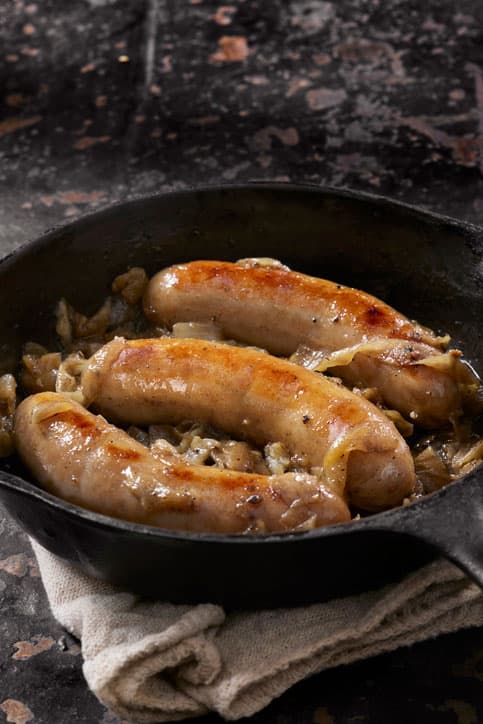
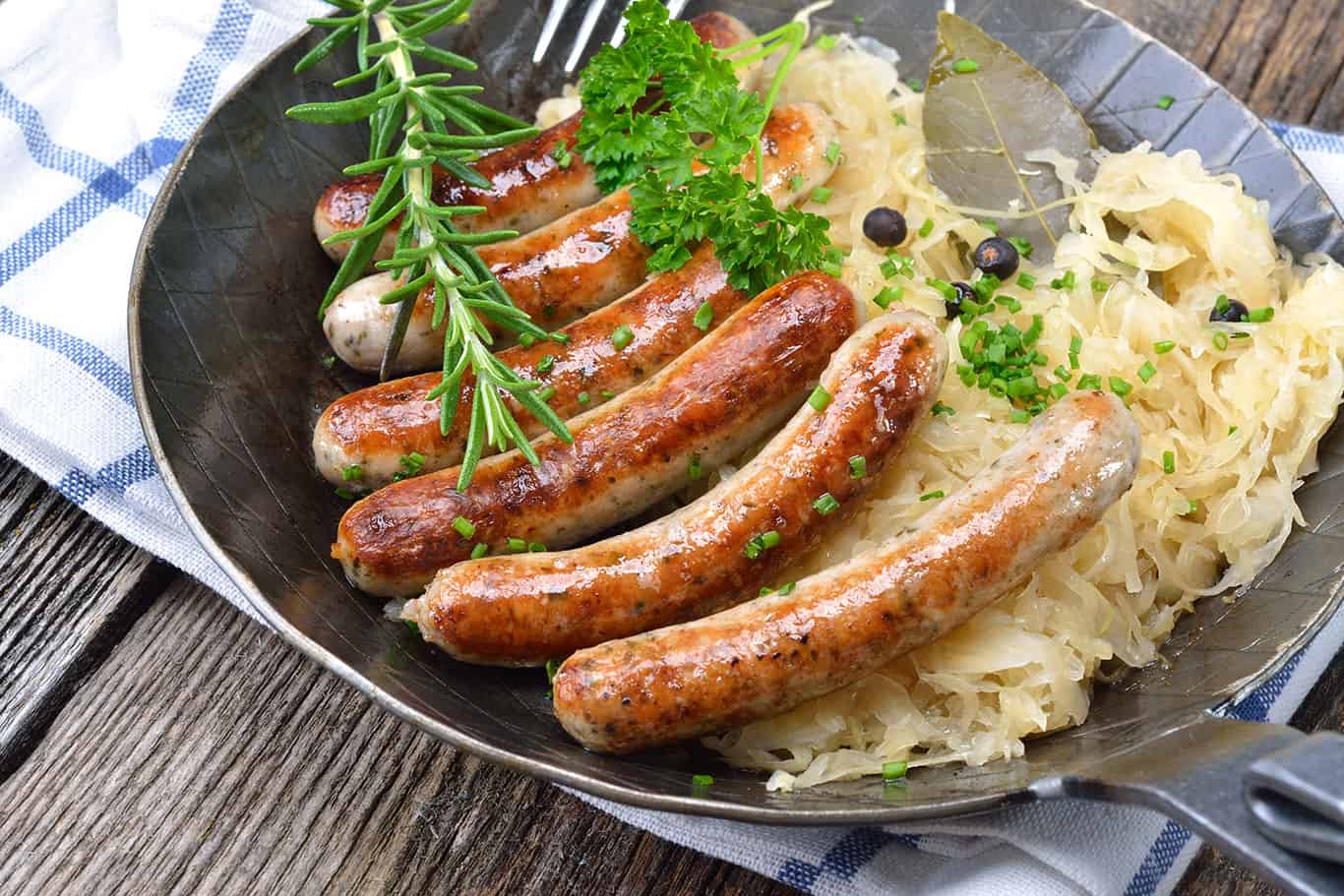
Kielbasa is one of the most recognisable sausages in European cuisine, known for its rich flavour, high meat content, and traditional smoking process. While many people have tried kielbasa in supermarkets or at barbecues, fewer understand what sets authentic versions apart from mass-produced alternatives.
If you are choosing sausages for quality, flavour, or professional use, understanding how kielbasa is made gives you a clear advantage.
What Is Kielbasa?
Kielbasa is the Polish word for sausage, but in most contexts, it refers specifically to a smoked sausage with a distinctive seasoning profile. Traditionally, it is made using pork, although beef and mixed meat versions also exist.
What separates it from standard sausages is not just the flavour, but the method of production. Authentic versions focus on:
- High meat content
- Simple, recognisable ingredients
- Natural smoking processes
- Firm, coarse texture
In contrast, lower-quality sausages often rely on fillers, artificial flavourings, or excessive processing to reduce costs.
Traditional Ingredients in Kielbasa
At its core, traditional kielbasa is defined by simplicity and quality. The ingredients are deliberately minimal, allowing the meat itself to take centre stage.
Core Ingredients
- Pork or a mix of pork and beef
- Garlic
- Salt
- Pepper
- Marjoram or other subtle herbs
Unlike many modern sausages, authentic kielbasa avoids unnecessary additives. There are no artificial colours or flavour enhancers in traditional recipes.
Why Ingredient Quality Matters
The flavour of kielbasa depends heavily on the quality of the meat. For example:
- Higher meat content creates a fuller, richer taste
- Fresh ingredients produce cleaner, more natural flavours
- Proper seasoning enhances rather than masks the meat
This is why premium producers focus on traceable sourcing and consistent meat quality, especially when supplying restaurants or catering businesses.
How Kielbasa Is Traditionally Made
Understanding the traditional process explains why it has such a distinctive taste and texture.
1. Meat Preparation
The meat is coarsely ground rather than finely processed. This gives kielbasa its signature bite and texture.
2. Seasoning
The ground meat is mixed with salt, garlic, and spices. The seasoning is balanced carefully to enhance the meat rather than overpower it.
3. Stuffing
The mixture is packed into natural casings, which help maintain structure and improve flavour during cooking.
4. Smoking
This is where kielbasa truly stands out. Traditional methods involve slow smoking over wood, which adds depth and preserves the sausage.
5. Optional Pre-Cooking
Some versions are lightly cooked or poached before sale, making them easier to prepare later without compromising quality.
The Role of Smoking in Kielbasa
Smoking is not just a flavouring step. It is central to what defines kielbasa.
What Smoking Does
- Adds a deep, savoury flavour
- Improves shelf life
- Creates a firm outer texture
- Enhances colour naturally
Different woods can produce slightly different flavour profiles, but the key is slow, controlled smoking, not artificial smoke flavouring.
What Happens If It’s Not Properly Smoked?
If not smoked correctly, the result can be:
- Flat or bland flavour
- Soft or inconsistent texture
- Reduced shelf life
- Lack of authenticity
This is often where mass-produced versions fall short compared to traditional or premium producers.
Is Kielbasa Always Pork?
While pork is the most common base, it is not limited to one type of meat.
Common Variations
- Pork – traditional and most widely used
- Beef – richer and slightly firmer
- Mixed meat – balanced flavour profile
The choice of meat affects both flavour and texture. For example, beef versions tend to have a deeper taste, while pork offers a slightly softer, more familiar profile.
Real-World Use Cases
Kielbasa is versatile, which is why it is widely used in both home cooking and professional kitchens.
At Home
- Grilled for barbecues
- Sliced into stews or casseroles
- Served with potatoes or bread
In Restaurants and Catering
- Used in premium sausage dishes
- Featured in sharing platters
- Incorporated into European-inspired menus
For chefs and caterers, consistency is critical. A high-quality kielbasa ensures reliable flavour and presentation across every service.
Good vs Better vs Best Kielbasa
If you are shopping around, it helps to understand the difference in quality levels.
Good
- Standard supermarket products
- Lower meat content
- Mild flavour
Better
- Higher meat percentage
- Fewer additives
- More defined seasoning
Best
- 90%+ meat content
- Traditional smoking methods
- Fresh, made-to-order production
- No fillers or artificial ingredients
The difference becomes especially noticeable when cooking for guests or customers. Higher-quality kielbasa delivers stronger flavour, better texture, and a more satisfying result.
Common Mistakes When Buying
Choosing the wrong product can significantly affect the final dish.
What to Avoid
- Sausages with long ingredient lists
- Artificial smoke flavouring instead of real smoking
- Low meat content
- Pre-packaged products with inconsistent texture
What to Look For
- High meat percentage
- Clear ingredient list
- Properly smoked aroma
- Firm, natural casing
FAQs
Q1: What does kielbasa taste like?
A: It has a rich, savoury flavour with noticeable garlic and a subtle smoky depth. The taste is fuller than most standard sausages.
Q2: Is kielbasa already cooked?
A: Some varieties are pre-cooked or pre-poached, while others are raw. Always check the product details before preparing.
Q3: How should it be cooked?
A: It can be grilled, pan-fried, or gently heated. Overcooking should be avoided to prevent dryness.
Q4: Can it be used in different dishes?
A: Yes, it works well in stews, casseroles, barbecues, and simple plated meals due to its strong flavour.
Q5: Is it a healthy option?
A: Higher-quality kielbasa with high meat content and no fillers is generally a better choice than heavily processed alternatives.
Kielbasa is more than just another sausage. When produced properly, it represents a balance of craftsmanship, quality ingredients, and traditional methods. Whether you are cooking at home or sourcing products for a professional kitchen, choosing a well-made kielbasa makes a noticeable difference.
For premium, high meat content sausages made fresh to order, contact Franconian Sausage Co.
Phone: 01892 837816
Email: orders@franconian.co.uk
Get in touch | Find us on Facebook