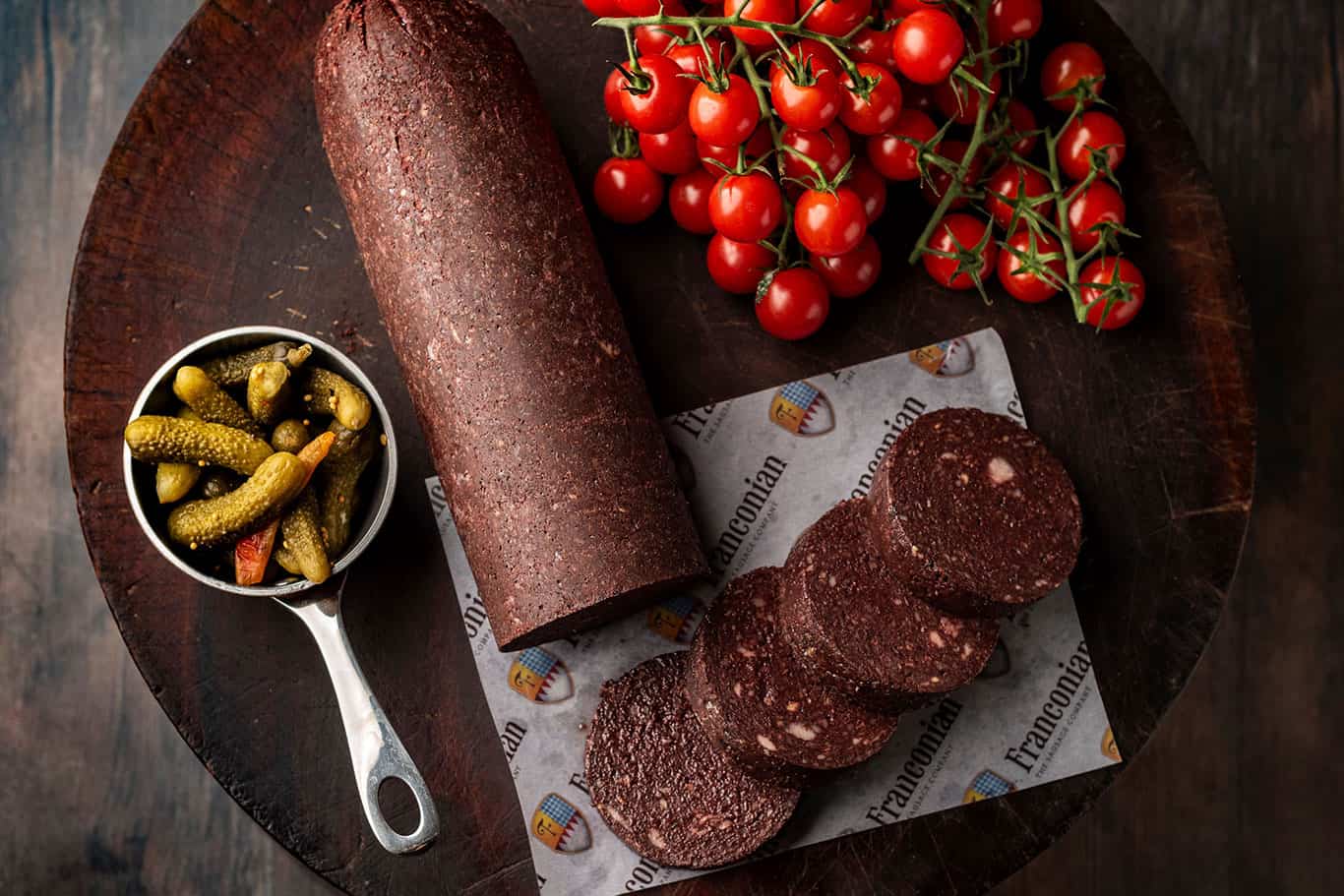
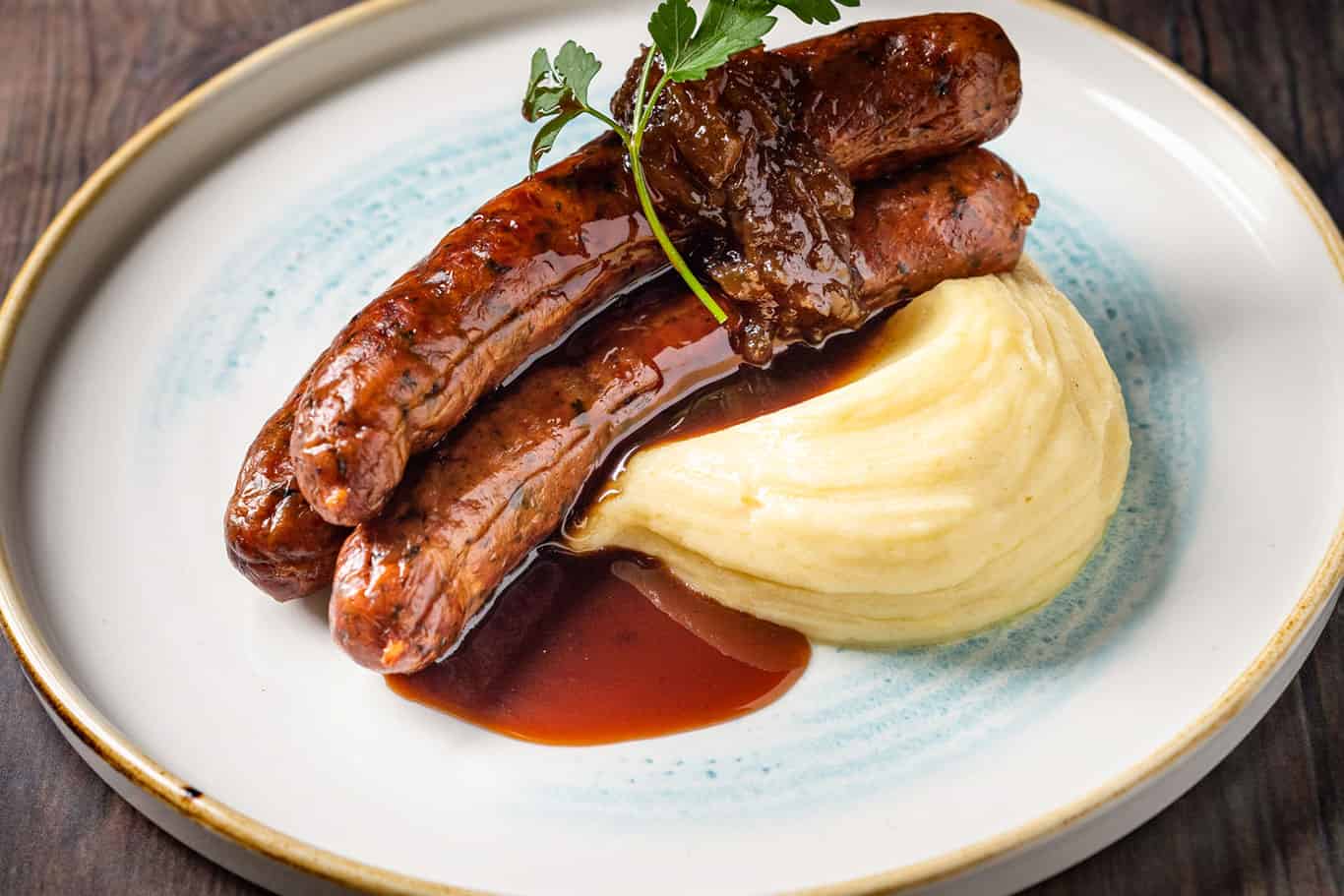
Andouille sausage is strongly associated with Cajun cooking because it plays an important role in many of the dishes that define Louisiana’s Cajun food culture. Its smoky, savoury, well-seasoned flavour makes it ideal for slow-cooked rice dishes, stews, soups and one-pot meals where every ingredient needs to add depth.
For many people, andouille is linked with dishes such as gumbo, jambalaya and red beans and rice. In these recipes, the sausage is not just an extra piece of meat. It helps season the whole dish. As it cooks, it releases smoky, spicy and meaty notes into the rice, stock, beans or sauce around it.
Although andouille has French roots, it became closely tied to Cajun cooking through migration, adaptation and local ingredients. Over time, the sausage developed into a distinctive Louisiana-style product that reflects the practical, resourceful and flavour-led nature of Cajun food.
What is andouille sausage?
Andouille is a smoked sausage with a bold, savoury flavour. The word itself has French origins, and traditional French andouille is quite different from the andouille most people associate with Cajun cooking today.
In Cajun cooking, andouille is usually a coarse-textured smoked pork sausage. It is commonly seasoned with garlic, pepper, onion and other spices, then smoked to create its distinctive depth of flavour. The texture is typically firmer and meatier than a smooth hot dog-style sausage or frankfurter.
The exact recipe can vary between producers. Some versions are hotter, smokier or more garlicky than others. However, the general character is usually robust, smoky and deeply savoury.
That strength is part of what makes andouille useful in cooking. It can stand up to long simmering, bold seasoning and other powerful ingredients without disappearing into the background.
How did andouille become part of Cajun food culture?
To understand why andouille is associated with Cajun cooking, it helps to understand Cajun food itself. Cajun cooking developed in Louisiana among communities descended from French-speaking Acadians, who had been expelled from parts of Canada in the 18th century and later settled in the American South.
They brought food traditions with them, but those traditions changed in response to their new surroundings. Ingredients, climate, farming, hunting, fishing and local customs all shaped what Cajun food became.
Sausage-making was already part of European food culture, especially as a way of preserving meat and using as much of the animal as possible. In Louisiana, smoked sausage suited the practical needs of rural communities. It could be made in batches, preserved through smoking and used to flavour larger dishes.
Andouille fitted naturally into this style of cooking. It was useful, flavourful and economical. A relatively small amount could add richness to a pot of beans, rice or stew. Over time, it became part of the flavour foundation of many Cajun dishes.
Why does smoking matter?
Smoking is one of the main reasons andouille works so well in Cajun cooking. Cajun dishes often rely on layers of flavour built slowly. Smoked sausage brings depth before any extra spices or seasonings are added.
When andouille is sliced and browned, the outside caramelises and releases flavour into the pan. When it is simmered in a gumbo or bean dish, the smoke spreads through the stock or sauce. This helps create a dish that tastes fuller and more developed.
Smoking also reflects traditional preservation methods. Before modern refrigeration, smoking was a practical way to help preserve meat. It also created a distinctive taste that became part of the identity of the food.
In Cajun cooking, smoke is not just an added flavour. It is part of the structure of the dish.
What does andouille sausage taste like?
Cajun-style andouille is usually smoky, savoury, garlicky and peppery. It often has a coarse, meaty texture and a firm bite. Some versions have noticeable heat, while others are more about smoke and seasoning than chilli-style spice.
The flavour is strong enough to work in dishes with rice, beans, stock, vegetables, chicken, seafood or other meats. This is important because Cajun cooking often brings several ingredients together in one pot.
Andouille does not need to be used in huge quantities. In many dishes, it acts almost like a seasoning ingredient as well as a protein. The fat, smoke and spices help flavour everything around it.
This makes it very different from milder sausages that are best eaten on their own. Andouille is designed to contribute to the whole dish.
Which Cajun dishes use andouille sausage?
Andouille appears in many Cajun and Louisiana-inspired dishes. It is especially common in recipes where rice, stock, beans or roux need strong background flavour.
Gumbo
Gumbo is one of the best-known dishes associated with andouille. It is a rich stew often made with a dark roux, stock, vegetables, meat or seafood. Andouille adds smoke, savoury depth and seasoning.
In chicken and sausage gumbo, andouille is often browned first. This helps release flavour into the pot before the other ingredients are added. As the gumbo simmers, the sausage continues to season the dish.
Jambalaya
Jambalaya is a rice dish that often includes sausage, chicken, seafood or a combination of ingredients. Andouille works well because it can flavour the rice as it cooks.
The sausage is usually sliced and browned before the rice and liquid are added. This helps create a richer base. As the rice absorbs the stock, it also takes on the smoky flavour of the andouille.
Red beans and rice
Red beans and rice is another classic dish where andouille can play an important role. Beans benefit from long, slow cooking and strong seasoning. Smoked sausage adds richness, making the dish hearty and satisfying.
The sausage may be cooked with the beans or added later, depending on the recipe. Either way, it provides body and savoury depth.
Étouffée and other one-pot dishes
Although andouille is not always the main ingredient in étouffée, it can be used in variations or side dishes. It also appears in soups, stews, breakfast skillets, casseroles and rice-based meals inspired by Cajun cooking.
The common theme is that andouille works best when it can share its flavour with the rest of the dish.
Why is andouille so important to flavour building?
Cajun cooking is often built on layers. Many dishes begin with browned meat, smoked sausage, onions, peppers, celery, garlic and seasoning. These ingredients create a base that carries the rest of the dish.
Andouille contributes several flavour elements at once:
- smoke from the curing or smoking process
- savoury meatiness from the pork
- seasoning from garlic, pepper and spices
- richness from the fat
- texture from the coarse sausage style
This means it can do more than one job in a recipe. It is not simply added at the end as a topping. It becomes part of the cooking base.
This is why replacing andouille with a mild sausage can make a dish feel flatter. The texture may be similar, but the depth of flavour may not be there.
Is Cajun andouille the same as French andouille?
No, they are not usually the same. French andouille and Cajun-style andouille have different traditions, textures and flavour profiles.
French andouille is often made with parts of the pig that give it a distinctive, sometimes stronger flavour and aroma. It can be quite different from what British diners might expect from a smoked sausage.
Cajun andouille is generally more familiar as a smoked pork sausage used for cooking. It is robust and smoky, but it is usually designed to work within hearty dishes rather than be the only dominant flavour.
This difference is a good example of how food changes as it travels. The name has French roots, but the Cajun version developed its own identity in Louisiana.
Can andouille be used outside Cajun cooking?
Yes. Although andouille is closely linked to Cajun dishes, it can be used in many other ways. Its smoky, savoury flavour makes it useful in recipes where you might otherwise use smoked sausage, chorizo or a strongly seasoned pork sausage.
It can be sliced into pasta dishes, added to bean stews, served with roasted vegetables, used in breakfast hashes or included in soups. It can also work in barbecue-style dishes, loaded fries, casseroles and warm salads.
However, because the flavour is strong, it should be used thoughtfully. It works best with ingredients that can balance or absorb its seasoning, such as potatoes, rice, beans, tomatoes, peppers, onions and leafy greens.
For British menus, andouille can add a distinctive point of difference. It brings a recognisable Cajun influence without needing the whole dish to be overly spicy.
Is andouille always very spicy?
Not always. Many people assume Cajun food is simply hot, but that is not quite right. Cajun cooking is usually well seasoned, layered and bold. Heat can be part of that, but it is not the only feature.
Andouille may have a peppery kick, but the main characteristics are often smoke, garlic, savoury depth and firm texture. Some versions are hotter than others, depending on the recipe.
This distinction matters for menu planning. A good andouille should bring flavour first. Heat can be adjusted through sauces, seasoning or accompaniments if needed.
What can be used instead of andouille?
If andouille is not available, another smoked sausage can sometimes be used, but the result will not be exactly the same. Kielbasa, smoked pork sausage or a firm, well-seasoned sausage may work in some dishes.
Chorizo can also be used in certain recipes, but it brings a different flavour profile, often with paprika and a Spanish influence. This can change the character of the dish quite noticeably.
For authentic Cajun-style cooking, andouille is difficult to replace because it provides a specific combination of smoke, meatiness, seasoning and texture. If the dish depends heavily on that flavour, it is worth using the right sausage.
What should restaurants and caterers consider?
For restaurants, caterers and food businesses, andouille can be a valuable ingredient when used well. It offers a strong flavour identity and can help create dishes that feel hearty, memorable and distinctive.
The most important considerations are quality, consistency and suitability for the dish. A sausage that is too mild may not provide enough flavour. A sausage that is too salty, too greasy or too hot may dominate the plate.
It is also important to think about the customer. Some diners may expect Cajun food to be fiery, while others may be more interested in smoky, savoury depth. Clear menu descriptions can help set expectations.
Andouille can work particularly well in casual dining, street food, pub menus, event catering and winter specials. It suits dishes that feel generous, warming and full of flavour.
Frequently Asked Questions
Why is andouille used in Cajun gumbo?
Andouille is used in Cajun gumbo because it adds smoky, savoury depth to the stock and sauce. It helps season the whole dish rather than acting only as a separate piece of meat.
Is andouille sausage the same as smoked sausage?
Andouille is a type of smoked sausage, but not every smoked sausage is andouille. Cajun-style andouille usually has a specific coarse texture, seasoning profile and strong smoky flavour.
Does andouille sausage have to be cooked?
Many andouille sausages are smoked or cooked during production, but they are usually heated before serving. Always follow the supplier’s cooking and storage guidance.
What does andouille go well with?
Andouille goes well with rice, beans, potatoes, peppers, onions, tomatoes, chicken, prawns, stock-based dishes and slow-cooked stews. It works best with ingredients that can carry its smoky flavour.
Can you use andouille in British-style dishes?
Yes. Andouille can be used in British-style dishes where a smoky, savoury sausage would work, such as casseroles, tray bakes, potato hashes, soups and bean dishes. It will add a Cajun-inspired character.
Summary
Andouille sausage is associated with Cajun cooking because it became part of the flavour foundation of many Louisiana dishes. Its smoky, savoury and well-seasoned character makes it ideal for gumbo, jambalaya, red beans and rice, soups, stews and other one-pot meals.
Although the name has French origins, Cajun-style andouille developed its own identity. It reflects the practical traditions of sausage-making, smoking and slow cooking, while adding bold flavour to dishes built around rice, beans, stock and vegetables.
For home cooks, andouille is a useful way to bring smoky depth to a dish. For restaurants, caterers and trade kitchens, it offers a distinctive ingredient that can support Cajun-inspired menus and hearty, flavour-led cooking.
Franconian Sausage Co. produces premium sausages and speciality meat products for trade customers and the public, with a focus on quality, consistency and made-to-order production.
Phone: 01892 837816
Email: orders@franconian.co.uk
Find out more: https://franconian.co.uk/