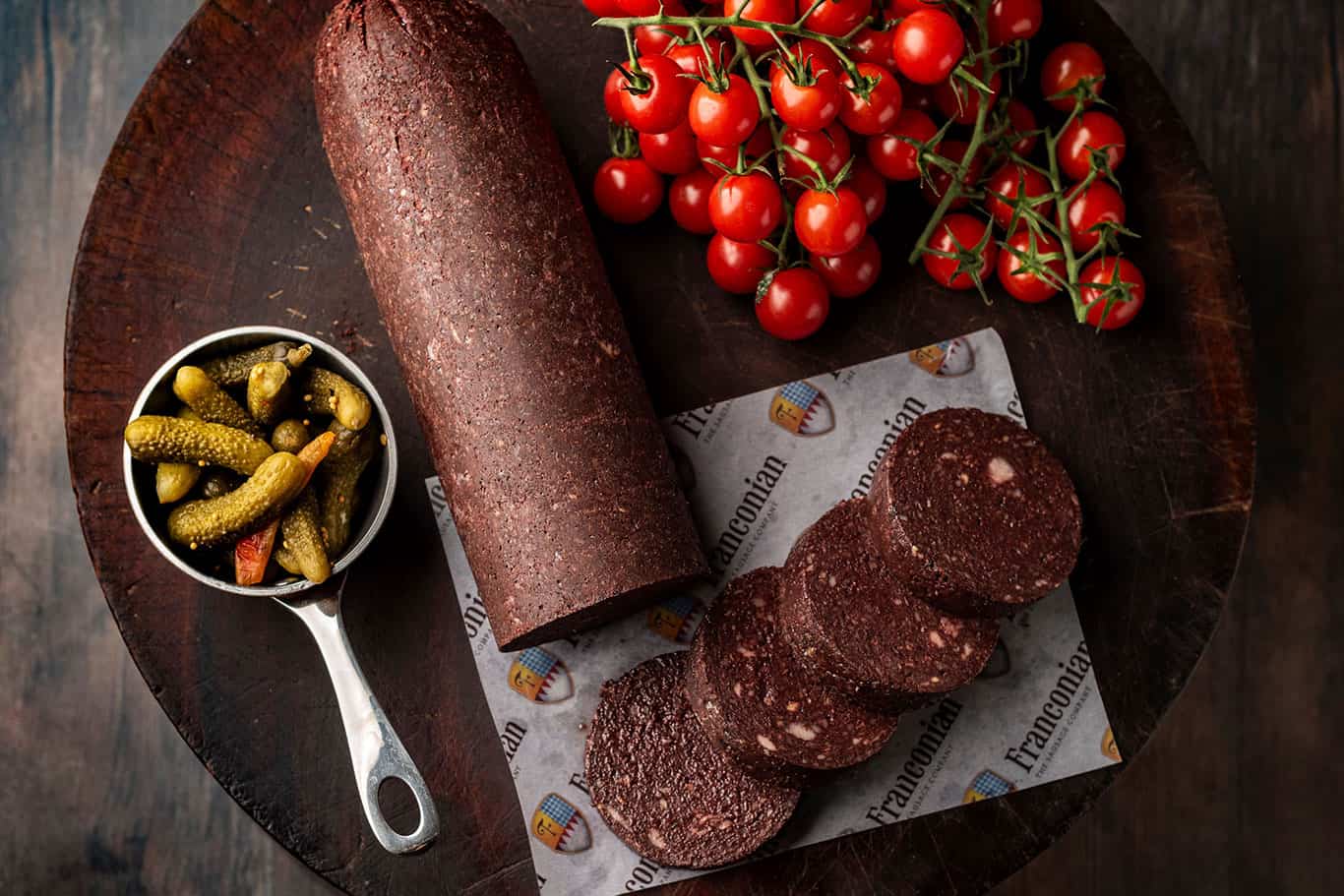
Is black pudding good for you? The honest answer is that black pudding can provide useful nutrients such as protein and iron, but it is usually best enjoyed in moderation rather than treated as an everyday health food. Its nutritional value depends on the recipe, portion size, salt content, fat content, cooking method and what you serve it with.
For many people, black pudding is part of a cooked breakfast, brunch plate, starter, canapé or restaurant dish. It can bring depth, savoury flavour and traditional character to a meal. However, because black pudding is a processed meat product and can be high in salt and saturated fat, it is worth understanding where it fits within a balanced diet.
This guide explains the benefits, drawbacks and practical considerations, so you can make a more informed choice whether you are buying black pudding for home, adding it to a catering menu or choosing a higher-quality speciality meat product.
So, Is Black Pudding Good for You or Not?
Black pudding can be a good source of certain nutrients, especially iron and protein, but it should be eaten sensibly. It is not automatically “healthy” or “unhealthy” on its own. The answer depends on the wider meal, the portion size and how often you eat it.
A small portion of good-quality black pudding served with eggs, tomatoes, mushrooms, greens or beans is very different from a large fried breakfast with several salty and fatty processed meats on the same plate.
The main positives are:
- It can provide protein
- It is known for its iron content
- It can be filling and flavourful in small portions
- It can add depth to dishes without needing large quantities
The main considerations are:
- It can be high in salt
- It may contain saturated fat
- It is a processed meat product
- Nutrition varies depending on the recipe and producer
The best approach is to see black pudding as a flavour-rich speciality product to enjoy occasionally and thoughtfully, rather than something to eat in large amounts every day.
What Is Black Pudding Made From?
Black pudding is a traditional blood sausage, usually made using blood, fat, cereal or grain, seasoning and a casing. Recipes vary by region and producer, which is why flavour, texture and nutritional values can differ significantly.
Some black puddings are softer and richer, while others have a firmer texture and a more pronounced savoury flavour. The balance of blood, grain, fat and seasoning will affect not only the taste, but also the protein, iron, fat and salt content.
This is one reason why it is difficult to give one universal nutrition answer for every black pudding. A supermarket version, a mass-produced catering product and an artisan black pudding may all differ in ingredients, texture and quality.
If nutrition matters to you, always check the product label or ask the supplier for product-specific information.
What Nutrients Can Black Pudding Provide?
Black pudding is often discussed because of its protein and iron content. Meat products can contribute protein, vitamins and minerals within the diet, including iron, zinc and B vitamins. NHS guidance also advises that red, processed or fatty meats should not be eaten in excessive amounts.
Black pudding may provide:
- Protein, which helps make a meal more filling
- Iron, which plays a role in healthy red blood cells
- B vitamins, depending on the recipe
- Minerals such as zinc, depending on the ingredients used
However, nutrition values vary. Rather than relying on generic figures online, it is better to check the label for the specific product you are buying. This is especially important if you are monitoring salt, fat, calories or allergens.
Why Is Black Pudding High in Iron?
Black pudding is associated with iron because it is traditionally made using blood. This gives it a naturally rich, savoury character and contributes to its reputation as an iron-containing food.
Iron is an important mineral, but not everyone has the same dietary needs. Some people may be actively trying to increase iron intake, while others may need to follow specific medical or dietary advice. If you have a diagnosed deficiency, medical condition or specific dietary concern, it is best to follow guidance from a qualified health professional rather than relying on one food as a solution.
For most people, black pudding can contribute to overall dietary variety, but it should not be seen as a standalone health fix.
What Are the Health Concerns with Black Pudding?
The main health considerations are salt, saturated fat and processed meat intake. These do not mean black pudding has to be avoided completely, but they do mean portion size and frequency matter.
Salt content
Black pudding can be salty, especially where seasoning and curing-style processes are involved. Salt levels vary from one product to another, so checking the label is important.
If you are watching your salt intake, consider having a smaller portion and serving it with naturally lower-salt ingredients such as grilled tomatoes, mushrooms, beans, leafy greens or eggs without extra added salt.
Saturated fat
Some black pudding recipes contain fat as part of the traditional texture and flavour. Saturated fat intake is something many people try to manage as part of a balanced diet. NHS guidance notes that eating too much saturated fat can raise cholesterol and increase the risk of heart disease.
Cooking method also matters. Grilling or baking black pudding will usually be a lighter choice than deep-frying it or cooking it in extra oil.
Processed meat
Black pudding is generally considered a processed meat product because it is prepared, seasoned and made into a finished meat product. NHS Eatwell guidance recommends eating less red and processed meat, including products such as bacon, ham and sausages.
That does not mean black pudding cannot be enjoyed. It simply means it is best approached as an occasional part of a varied diet, rather than a daily staple.
How Much Black Pudding Is a Sensible Portion?
There is no single perfect portion for everyone, but a sensible serving is usually modest. In many meals, black pudding works best as an accent ingredient rather than the main bulk of the plate.
For example, you might use:
- One or two slices in a cooked breakfast
- A small portion with scallops, apple or salad as a starter
- Crumbled black pudding in a stuffing, hash or warm salad
- A small piece as part of a canapé or tasting dish
This approach allows you to enjoy the flavour without making the meal too heavy. It is especially useful for restaurants and caterers, where black pudding can add richness and depth in controlled portions.
What Is the Healthiest Way to Cook Black Pudding?
The healthiest way to cook black pudding is usually to avoid adding unnecessary extra fat. Always follow the product label or supplier instructions, particularly for storage, cooking and reheating.
Common cooking methods include:
- Grilling
- Baking
- Light pan-cooking
- Air frying, where suitable for the product
- Gently warming as part of a composed dish
Deep-frying or cooking in a large amount of oil will make the overall meal heavier. If you are serving black pudding as part of a breakfast, consider balancing it with grilled tomatoes, mushrooms, eggs, beans or greens rather than adding several other fried items.
Food safety also matters. Follow the storage instructions on the packaging, pay attention to use-by dates, and keep chilled foods refrigerated as instructed. The Food Standards Agency explains that use-by dates relate to food safety and should not be ignored.
What Should You Serve with Black Pudding?
Black pudding has a rich, savoury flavour, so it works well with ingredients that add freshness, acidity or sweetness.
Good serving ideas include:
- Eggs, tomatoes and mushrooms for breakfast or brunch
- Apples, pears or chutney for sweetness and acidity
- Scallops for a classic restaurant starter
- Lentils or beans for a hearty dish
- Leafy greens or salad for balance
- Roasted vegetables for a simple lunch or supper
- Mustard, pickles or sharp sauces to cut through the richness
For more inspiration, Franconian’s serving ideas can help customers and chefs think beyond the standard cooked breakfast.
Does Ingredient Quality Make a Difference?
Ingredient quality matters because black pudding is a simple, traditional product where the recipe and production standards make a noticeable difference. A better product should offer good flavour, reliable texture and clear ingredient standards.
For customers choosing black pudding, useful things to consider include:
- Who made the product
- Whether the recipe feels traditional and well-balanced
- How clear the supplier is about ingredients
- Whether the product suits your intended dish
- Whether you need consistent quality for trade, catering or repeat public orders
Franconian Sausage Co. is a premium UK producer of sausages and speciality meat products, based in Kent and supplying across the UK. The business focuses on quality, traceability and consistency, with products freshly made to order daily. Recipes are developed in-house, and the wider product range is produced without additives, fillers, artificial colours or flavourings.
For customers comparing options, Franconian offers traditional and speciality choices including Kent black pudding, smoked black pudding and boudin noir. Each product suits slightly different serving styles, from breakfast plates and brunch menus to starters, canapés and restaurant dishes.
You can also read more about our provenance if traceability and sourcing are important to your buying decision.
Is Black Pudding Suitable for Restaurants and Catering?
Black pudding can be a useful ingredient for restaurants, hotels, cafés, caterers and event menus because a small portion can add a lot of flavour. It is particularly effective where chefs want richness, tradition and depth without making a dish overly large.
It can work well in:
- Breakfast and brunch menus
- Starters with scallops, apple, salad or chutney
- Canapés and small plates
- Rustic sharing boards
- Seasonal dishes
- Premium cooked breakfasts
- Event catering menus
For trade buyers, consistency is especially important. A kitchen needs products that perform reliably, hold their flavour and suit the intended service style. Franconian supplies trade clients as well as members of the public, with bespoke production available for restaurants, catering and trade customers where required.
Chefs and catering buyers can explore Franconian’s trade supply options for more information.
Is Black Pudding Better Than Bacon or Sausages?
It depends on what you are comparing. Black pudding, bacon and sausages can all vary in quality, salt content, fat content, ingredients and portion size. None of them should automatically be treated as the healthiest option without checking the details.
Black pudding may provide iron and a strong savoury flavour in a small portion. Bacon is usually valued for crisp texture and salty flavour. Sausages vary widely depending on meat content, ingredients and production standards.
A better question is not “which one is always healthiest?”, but:
- What is the portion size?
- How often are you eating it?
- How is it cooked?
- What is it served with?
- What does the product label say?
- Is it made by a quality-focused producer?
For a balanced meal, smaller portions, thoughtful cooking and lighter accompaniments matter more than simply choosing one breakfast item over another.
Frequently Asked Questions
Is black pudding healthy?
Black pudding can provide protein and iron, but it can also be high in salt and saturated fat. It is best enjoyed in moderation as part of a balanced diet.
Is black pudding high in iron?
Black pudding is known for its iron content because it is traditionally made using blood. Exact iron levels vary by product, so check the label or ask the supplier for specific nutritional information.
Can you eat black pudding every day?
For most people, black pudding is better treated as an occasional food rather than an everyday item. This is because it is a processed meat product and may contain notable levels of salt and saturated fat.
What is the healthiest way to cook black pudding?
Grilling, baking, air frying or light pan-cooking are generally better options than deep-frying. Always follow the product label or supplier instructions.
Is black pudding good for breakfast?
Black pudding can work well as part of a balanced breakfast when served in a sensible portion with ingredients such as eggs, tomatoes, mushrooms, beans or greens.
Is black pudding suitable for catering menus?
Yes, black pudding can be a strong choice for catering and restaurant menus where it is used thoughtfully. It works well in brunch dishes, starters, canapés and seasonal plates.
Summary: Should You Eat Black Pudding?
Black pudding can be a flavourful, nutrient-containing speciality meat product, particularly valued for its protein, iron and traditional character. However, it should be eaten in moderation because it can be high in salt, saturated fat and processed meat content.
The best way to enjoy black pudding is to choose a quality product, keep the portion sensible, cook it without adding unnecessary fat, and serve it with ingredients that bring balance to the plate.
For customers, chefs and caterers looking for carefully made speciality meat products, Franconian Sausage Co. offers black pudding options including Kent black pudding, smoked black pudding and boudin noir, alongside a wider range of premium sausages and speciality meats.
Phone: 01892 837816
Email: orders@franconian.co.uk
Find out more: Franconian Sausage Co.