The difference between a hot dog and a frankfurter can be confusing because the two terms are often used as if they mean the same thing. In everyday conversation, many people call the sausage inside the bun a hot dog, while others use the word frankfurter to describe the same thing. In reality, there is a difference, although the terms overlap.
A frankfurter is a type of sausage. A hot dog is usually the complete dish made with a cooked sausage served in a sliced bun, often with toppings such as mustard, ketchup, onions, pickles or sauerkraut. In some cases, people also use “hot dog” to refer to the sausage itself, especially in supermarkets or casual food settings.
Understanding the difference is useful if you are buying for a restaurant menu, planning an event, choosing products for catering, or simply trying to work out what to serve at home. The distinction comes down to product style, preparation, ingredients, tradition and presentation.
What is a frankfurter?
A frankfurter is a cooked sausage traditionally associated with Frankfurt in Germany. It is usually long, slim, smooth in texture and gently seasoned. Frankfurters are commonly made from pork, beef, or a blend of meats, although recipes vary depending on the producer and regional style.
A good frankfurter should have a fine texture, balanced seasoning and a clean, savoury flavour. It is not usually a coarse sausage in the way that a traditional British butcher’s sausage might be. Instead, the meat is finely processed to create a smooth and even bite.
Frankfurters are usually already cooked during production. This means they only need heating before serving rather than full cooking from raw. They may be warmed in hot water, steamed, grilled gently or heated on a hot plate, depending on the setting and the desired finish.
The key point is that a frankfurter is the sausage itself. It can be eaten in a bun, served with potatoes, included in platters, sliced into dishes, or used as part of a wider meal.
What is a hot dog?
A hot dog usually refers to the finished serving: a sausage in a long, soft bun. The sausage used in a hot dog may be a frankfurter, but it can also be another style of hot dog sausage.
This is where the confusion begins. In the UK, people often use “hot dog” to describe both the sausage and the dish. For example, a packet in a supermarket might be labelled as hot dog sausages, while a food stall may sell hot dogs as a ready-to-eat meal.
Strictly speaking, the hot dog is the serving format rather than a specific sausage style. It normally includes:
- a cooked sausage
- a sliced hot dog bun
- sauces or condiments
- optional toppings
- a convenient handheld format
This is why a frankfurter can be used to make a hot dog, but not every hot dog sausage is necessarily a traditional frankfurter.
Are hot dogs and frankfurters made from the same meat?
Hot dogs and frankfurters can be made from similar meats, but this depends on the recipe. Traditional frankfurters are commonly associated with pork, although beef frankfurters and mixed-meat versions are also widely available.
Hot dog sausages vary more widely. Some are made from pork, some from beef, some from chicken, and some from a blend of meats. There are also vegetarian and vegan hot dog-style products, although these would not be frankfurters in the traditional meat-based sense.
The quality can also differ significantly. Some mass-produced hot dog sausages are made with lower meat content and more fillers, while premium frankfurters or hot dog sausages may use higher meat content, better seasoning and fewer unnecessary additives.
For restaurants, caterers and food businesses, this distinction matters. Two products might look similar, but the eating quality, texture and flavour can be very different. A high-quality frankfurter can give a hot dog a more authentic flavour and a better bite, while a cheaper hot dog sausage may be softer, saltier or less distinctive.
How do texture and flavour differ?
Frankfurters usually have a smooth, firm and consistent texture. They should have a gentle snap or bite when heated correctly, particularly if made with a quality casing. Their flavour is typically savoury, mildly smoky or delicately seasoned, rather than heavily spiced.
Hot dog sausages can vary more. Some are very similar to frankfurters, while others are softer, milder or more processed in texture. The flavour may be designed to work with strong toppings and sauces, rather than stand alone as the main feature.
A frankfurter is often chosen when the sausage itself needs to be the focus. A general hot dog sausage may be chosen when convenience, cost, speed and broad appeal are the main priorities.
For premium menus, street food, hospitality or catering, the sausage should not feel like an afterthought. The bun, toppings and condiments matter, but the quality of the sausage is what gives the hot dog its substance.
How are frankfurters usually served?
Frankfurters are very versatile. Although many people associate them with hot dogs, they do not have to be served in a bun.
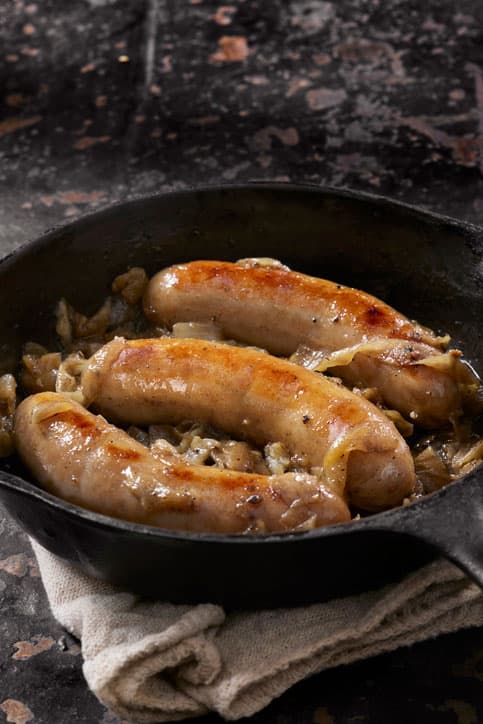
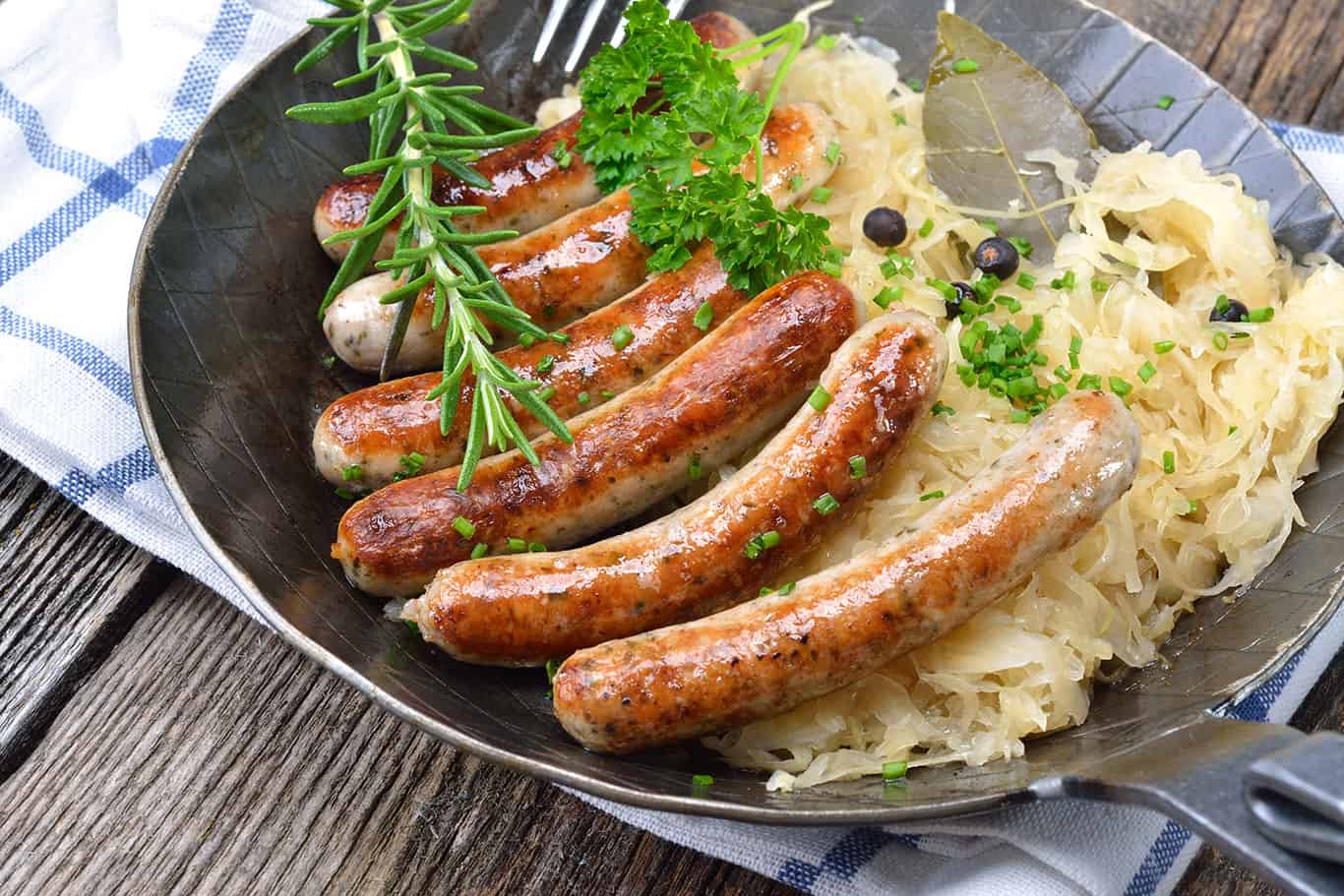
They can be served simply with mustard, pickles and potato salad. They can also be sliced into pasta dishes, added to stews, served with sauerkraut, included on buffet platters or used in children’s meals where a milder sausage is preferred.
When used in hot dogs, frankfurters work particularly well because they are easy to heat, consistent in size and simple to serve quickly. That makes them suitable for events, cafés, pubs, catering businesses, sports venues and casual dining menus.
The best serving method depends on the product. Some frankfurters are best warmed gently in hot water to keep them juicy. Others can be grilled or finished on a hot plate to add colour and a slightly firmer outside.
How are hot dogs usually served?
Hot dogs are usually served as a complete handheld meal. The most basic version is a sausage in a soft bun with sauce, but there are many ways to build on that.
Common toppings include mustard, ketchup, fried onions, crispy onions, pickles, relish, cheese, sauerkraut and chilli. More premium versions may include smoked meats, slow-cooked onions, house-made sauces or regional flavour combinations.
For UK menus, the hot dog can work in several settings. It can be a simple takeaway option, a children’s menu item, a pub dish, a barbecue favourite, or a more premium street food-style meal. The same basic format can be adapted depending on the audience.
A casual family event may suit a mild sausage with classic sauces. A restaurant or catering menu may benefit from a better-quality frankfurter, a carefully chosen bun and more distinctive toppings.
Is a frankfurter always German?
The frankfurter has German roots, but the term is now used internationally. Many producers make frankfurter-style sausages outside Germany, including in the UK. The important thing is the style of sausage, not only its place of production.
German sausage traditions are broad, and frankfurters are only one part of that wider world. Germany is known for many sausage styles, including bratwurst, bockwurst and regional smoked or cured varieties. Frankfurters are among the best known because they became strongly associated with the hot dog format.
In practical terms, a UK-made frankfurter can still be authentic in style if it is made with the right care, recipe, texture and seasoning. For restaurants and caterers, consistency and quality are often more important than relying on a name alone.
Which is better: a hot dog sausage or a frankfurter?
Neither is automatically better. It depends on what you want to achieve.
A frankfurter is often the better choice when you want a more traditional, refined or premium sausage. It works well when the flavour and texture of the sausage matter. This can be important for restaurant menus, catered events, food stalls and businesses that want to offer something better than a standard hot dog.
A general hot dog sausage may be suitable when the focus is on simple, familiar food at scale. For example, a large event with a very broad audience may prioritise ease of service and affordability.
The best approach is to think about the customer experience. If the hot dog is a main menu item, the sausage should be good enough to justify its place. If the sausage is only one part of a heavily topped dish, you still need enough quality for it to hold its own.
What should caterers and restaurants consider?
For trade buyers, the difference between hot dogs and frankfurters is not just a language issue. It affects menu positioning, preparation, cost and customer perception.
Important considerations include meat content, casing, size, flavour profile, cooking method, holding quality and whether the product suits the bun and toppings being used. A sausage that works well for quick service may not be the same as one chosen for a premium plated dish.
Consistency is also important. Restaurants and caterers need products that perform reliably during service. A frankfurter that splits easily, dries out quickly or loses texture when held warm can create problems. A well-made product should heat evenly, hold its shape and deliver the same eating quality each time.
For businesses, it is also worth considering whether a bespoke product would suit the menu better. A specific size, meat blend, seasoning level or preparation method can help create a more distinctive offer.
Can you use a frankfurter to make a hot dog?
Yes, and this is one of the most common uses for frankfurters. In many cases, a frankfurter is exactly what people expect inside a hot dog.
The main thing is to match the sausage to the style of hot dog you want to create. A classic hot dog might use a simple frankfurter, mustard and onions. A German-inspired version might include sauerkraut and a sharper mustard. A more modern street food version could use smoked toppings, spiced sauces or pickles.
A good frankfurter gives you a strong base. From there, the bun and toppings can be adapted to suit the occasion, audience and price point.
Frequently Asked Questions
Is a frankfurter the same as a hot dog sausage?
A frankfurter can be used as a hot dog sausage, but the terms are not exactly the same. A frankfurter is a type of sausage, while a hot dog usually refers to the sausage served in a bun.
Are frankfurters already cooked?
Most frankfurters are cooked during production and only need reheating before serving. Always follow the supplier’s preparation guidance to make sure they are heated safely and served at their best.
Can frankfurters be grilled?
Yes, many frankfurters can be grilled or finished on a hot plate. However, gentle heating is often best if you want to keep them juicy and avoid splitting.
What toppings go best with frankfurters?
Classic toppings include mustard, onions, pickles, relish and sauerkraut. For a more premium hot dog, you can add slow-cooked onions, smoked ingredients or house-made sauces.
Are beef hot dogs and frankfurters the same thing?
Not always. A beef hot dog may be frankfurter-style, but it depends on the recipe, production method and seasoning. The label should give a clearer idea of what type of product it is.
Summary
The main difference between a hot dog and a frankfurter is that a frankfurter is a sausage, while a hot dog is usually the finished dish made by serving a sausage in a bun. A frankfurter can be used to make a hot dog, but not every hot dog sausage is a traditional frankfurter.
For home cooks, the distinction helps when choosing the right product for a meal. For restaurants, caterers and trade buyers, it matters even more because quality, texture, consistency and serving style all affect the final customer experience.
A well-made frankfurter can elevate a hot dog from a basic snack into a more considered menu item. The right choice depends on how the sausage will be served, who it is for and what standard of flavour and presentation you want to achieve.
Franconian Sausage Co. produces premium sausages and speciality meat products for trade customers and the public, with a focus on quality, consistency and made-to-order production.
Phone: 01892 837816
Email: orders@franconian.co.uk
Find out more: https://franconian.co.uk/