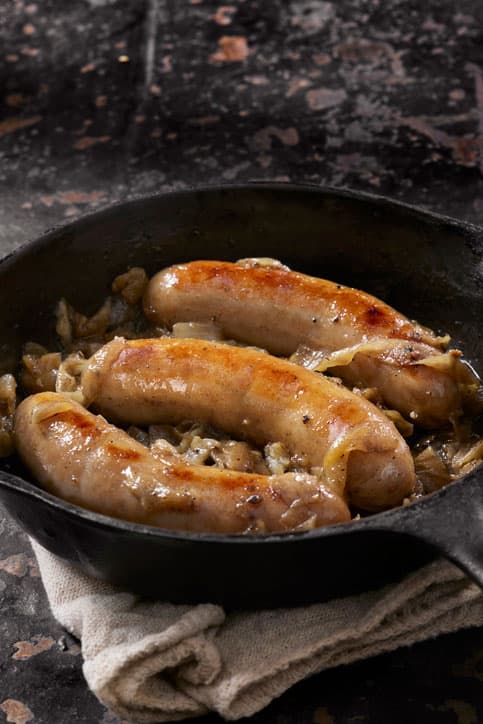
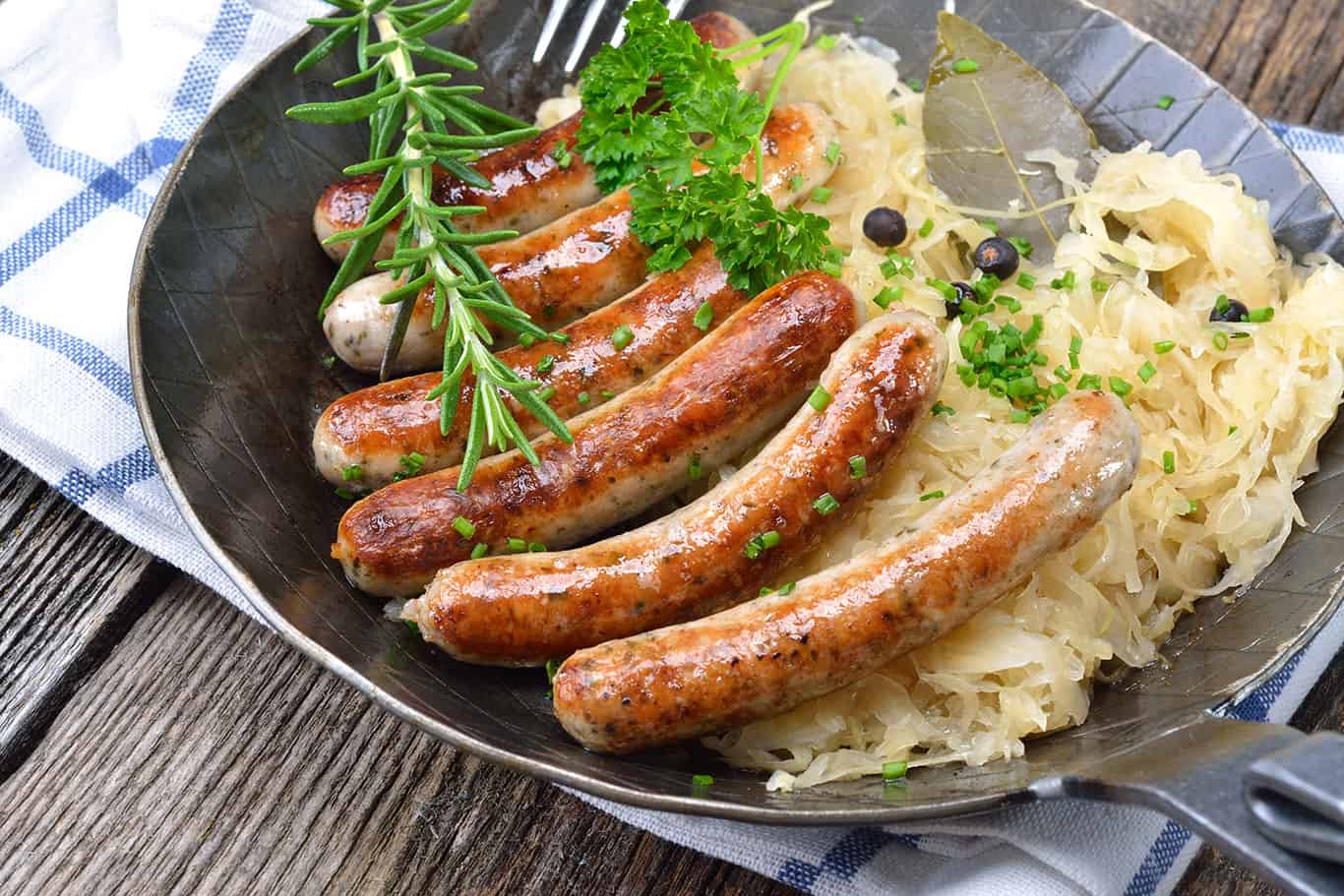
The main difference between andouille and chorizo is their seasoning, production method, cultural origin and intended use. Andouille is generally a coarse-textured, smoked pork sausage associated with French and Louisiana cooking, while chorizo is a heavily seasoned pork sausage closely associated with Spain and Mexico.
However, comparing the two is not quite as simple as placing one type of sausage against another. Both names cover several regional styles.
French andouille can be very different from the smoked andouille used in Louisiana. Spanish chorizo is commonly cured or semi-cured and seasoned with paprika, while Mexican chorizo is usually fresh, soft and flavoured with dried chillies and vinegar.
The most useful comparison for UK cooks is often between Louisiana-style andouille and Spanish cooking chorizo. Both can add pork, smoke, spice and richness to a dish, but they do not produce identical results.
Understanding their differences will help you select the right sausage, find a sensible substitute and avoid overpowering the other ingredients in your recipe.
Where do andouille and chorizo come from?
Andouille and chorizo developed in different culinary traditions, although both reflect the long-established practice of preserving and seasoning pork.
What is andouille sausage?
Andouille originated in France, where several regional versions continue to be made. Traditional French andouille may incorporate parts of the pig that differ from the coarsely minced pork commonly associated with British sausages.
The name is perhaps best known internationally through Louisiana cooking. Louisiana-style andouille is typically a robust, highly seasoned smoked pork sausage with a coarse interior. It is strongly associated with Cajun dishes such as gumbo and jambalaya.
The sausage’s smoky character is especially important. Rather than serving simply as an individual portion, andouille is often used to flavour an entire pot of food. As it cooks, its smoke, pork fat and seasoning become part of the surrounding sauce, rice or stock.
Definitions commonly describe Louisiana andouille as a highly seasoned smoked pork sausage.
What is chorizo?
Chorizo is most closely associated with Spanish and Mexican cuisine, but these two traditions produce distinctly different sausages.
Spanish chorizo is normally made from chopped or minced pork seasoned with garlic and pimentón, the Spanish paprika responsible for its deep red colour. It may be cured, semi-cured or produced as a softer cooking sausage.
Paprika became central to Spanish chorizo after its arrival in Spain from the Americas, giving the sausage its now-familiar colour and flavour. Spanish chorizo may be cured in the open air or smoked, depending on the style and producer.
Mexican chorizo is usually a fresh sausage made with minced pork, chilli and other seasonings. It is commonly removed from its casing and fried until thoroughly cooked, producing loose, highly seasoned meat for tacos, eggs, beans and other dishes.
This distinction matters because a recipe asking for Spanish chorizo may produce a very different result if Mexican-style chorizo is used instead.
How do the ingredients differ?
Pork is the traditional base for both andouille and chorizo, but the cuts, grind and seasoning vary.
Louisiana-style andouille normally has a coarse texture. Pieces of pork and fat remain visible, giving each slice a substantial, meaty bite.
Spanish chorizo may also be coarsely chopped, particularly in rustic cured products. However, its texture can range from soft and suitable for cooking to firm enough to slice thinly and eat without further preparation.
Mexican chorizo is usually more finely minced and softer. When removed from its casing and fried, it tends to break into small pieces rather than retain defined slices.
Typical andouille seasonings
Andouille recipes vary, but commonly used flavourings include:
- Garlic
- Black pepper
- Cayenne pepper
- Onion
- Thyme
- Salt
- Other Cajun or Creole spices
Smoke is one of the defining elements of Louisiana-style andouille. The seasoning is bold, but the sausage does not normally rely on paprika as heavily as chorizo.
Typical Spanish chorizo seasonings
Spanish chorizo commonly includes:
- Pimentón
- Garlic
- Salt
- Pork fat
- Oregano or other regional seasonings
Pimentón may be sweet, bittersweet or hot. It gives the sausage its characteristic reddish colour and much of its distinctive flavour.
Although pimentón is frequently smoked, not every Spanish chorizo tastes equally smoky. Some are mild and rounded, while others are intensely smoky or spicy.
Typical Mexican chorizo seasonings
Mexican-style chorizo commonly includes:
- Dried chillies
- Garlic
- Vinegar
- Cumin
- Oregano
- Cloves or cinnamon in some recipes
- Salt and pepper
The use of vinegar and chilli creates a sharper, brighter form of heat than the deeper paprika flavour typically associated with Spanish chorizo.
Which sausage is spicier?
Neither andouille nor chorizo has one fixed level of heat.
Some andouille is relatively mild but strongly smoky. Other varieties contain enough cayenne or black pepper to create a noticeable chilli heat.
Spanish chorizo may be labelled sweet or hot, often using the terms dulce and picante. A sweet chorizo can be rich and smoky without being particularly fiery.
Mexican chorizo is often hotter because it relies heavily on dried chillies, although the heat depends on the chilli varieties and recipe.
The wider flavour is therefore more informative than the word “spicy”.
Andouille tends to offer smoke, garlic, black pepper and savoury pork. Spanish chorizo is characterised by paprika, garlic and rich red oils. Mexican chorizo generally has a tangier chilli flavour and softer texture.
When buying either sausage, check the description rather than assuming that one will always be hotter.
Are andouille and chorizo both smoked?
Andouille is commonly smoked, especially the Louisiana style most frequently used in gumbo and jambalaya.
Smoking helps preserve the sausage and creates the deep flavour that it contributes to slow-cooked dishes. The strength of the smoke varies by producer and smoking method.
Spanish chorizo may also be smoked, but smoking is not the only way it is made. Some chorizo gains much of its smoky flavour from smoked pimentón rather than prolonged exposure to wood smoke.
Mexican chorizo is generally fresh rather than smoked. Its intensity usually comes from chillies, vinegar and spices.
This means that a smoked Spanish chorizo can appear to be a reasonable alternative to andouille, while fresh Mexican chorizo behaves very differently.
How does the texture compare?
Texture is one of the clearest differences between the sausages.
Louisiana-style andouille is usually firm and coarse. It can be sliced into rounds that remain intact during frying, simmering and slow cooking.
This makes it well suited to dishes where the sausage needs to flavour the sauce while remaining recognisable.
Spanish cured chorizo
Fully cured Spanish chorizo is firm and relatively dry. It can be sliced and eaten without cooking when the packaging confirms that it is ready to eat.
The texture may resemble a cured salami more than a fresh British sausage. Thin slices work well on sharing boards, while thicker pieces can be added to stews and rice dishes.
Spanish cooking chorizo
Cooking chorizo is softer and contains more moisture than a cured product. It should be cooked according to the packaging instructions.
It can usually be sliced before frying, although some varieties soften and release a significant quantity of red, paprika-flavoured fat into the pan.
Mexican chorizo
Mexican chorizo is usually soft, fresh and crumbly. It is frequently removed from the casing and cooked as loose seasoned meat.
It does not normally provide the firm slices associated with andouille or cured Spanish chorizo.
For this reason, Mexican chorizo is not a direct textural substitute for andouille, even when its flavour suits the recipe.
Can you substitute chorizo for andouille?
Chorizo can sometimes replace andouille, but the substitution will change the dish.
The most appropriate option is usually a firm Spanish cooking chorizo or another smoked pork sausage. This provides slices that hold their shape and adds both smoke and savoury richness.
However, chorizo releases red paprika oil. This will affect the colour of the dish and can make the sauce taste more distinctly Spanish.
Andouille tends to contribute pepper, garlic and wood smoke without the same concentration of paprika. A gumbo made with chorizo may still be enjoyable, but it will not have the same flavour as one prepared with traditional andouille.
When Spanish chorizo can work
Spanish chorizo can be a practical alternative in:
- Bean stews
- Rice dishes
- Hearty soups
- Tomato-based casseroles
- Traybakes
- Recipes where paprika complements the other ingredients
It is particularly useful when andouille is difficult to find in UK shops.
When Mexican chorizo is less suitable
Fresh Mexican chorizo can replace andouille when the sausage does not need to remain in slices. It might work in a rice dish or stew where a looser texture is acceptable.
However, it often contains more acidity and chilli. Because it breaks apart during frying, it can spread throughout the dish rather than providing distinct pieces.
It should not be treated as a ready-to-eat cured sausage. Fresh chorizo must be cooked thoroughly in accordance with its packaging instructions.
Can andouille replace chorizo?
Andouille can also replace chorizo in certain recipes, but the finished dish will contain less paprika and may taste more strongly smoked.
It can work well in soups, casseroles and rice dishes where the sausage is intended to remain in slices.
It is less effective in recipes that depend on the paprika-rich fat released by chorizo. For example, if chorizo oil is meant to flavour potatoes or form the base of a sauce, andouille will not create exactly the same result.
You can compensate by adding a small amount of paprika, although the aim should be to make a balanced dish rather than reproduce chorizo perfectly.
Andouille is also not a substitute for cured chorizo on a cold sharing board unless the particular product is confirmed as ready to eat.
What dishes are traditionally made with andouille?
Louisiana-style andouille is especially suited to dishes that allow its smoke and seasoning to spread gradually.
Gumbo
Gumbo is a Louisiana stew that may combine sausage with chicken, seafood or other ingredients. Andouille gives the dish depth, smoke and savoury richness.
The sausage is often browned first, which develops colour on the surface and leaves flavourful fat in the pan.
Jambalaya
Jambalaya is a rice dish in which the grains cook with meat, vegetables, stock and seasonings.
Andouille works well because its firm slices remain intact as the rice absorbs its smoky flavour. It is commonly combined with chicken or seafood.
Red beans and rice
Smoked sausage is frequently paired with slowly cooked beans and rice. Andouille can contribute richness and spice, although regional and family recipes vary.
Soups and stews
Andouille can also be added to lentil soup, bean casseroles and robust vegetable stews. A relatively small amount can flavour an entire dish, so it is sensible to taste before adding more salt or chilli.
What dishes work well with chorizo?
The best uses depend on whether the chorizo is cured, semi-cured, fresh or intended for cooking.
Spanish rice dishes
Chorizo can add paprika, pork fat and colour to rice. It is often browned first so that its seasoned oil coats the other ingredients.
It should not automatically be added to every Spanish rice recipe, as traditional dishes differ considerably by region. However, it works well in many informal rice preparations.
Beans and chickpeas
Chorizo is a natural partner for beans, chickpeas and lentils. Its richness complements the earthy flavour of pulses, while paprika colours the cooking liquid.
Eggs
Fresh or cooking chorizo can be fried and combined with scrambled eggs, baked eggs or omelettes.
Mexican chorizo is particularly well suited to egg dishes because it crumbles easily and distributes its seasoning throughout the pan.
Tapas and sharing plates
Cured Spanish chorizo can be sliced and served with olives, cheese and bread. Soft cooking chorizo can also be fried, roasted or simmered in wine.
BBC Good Food distinguishes between soft cooking chorizo, which requires cooking, and firmer cured chorizo that can be sliced and eaten without further cooking.
Pasta, potatoes and vegetables
Chorizo works well with tomatoes, peppers, onions, potatoes and leafy vegetables. The red oil released during cooking can be used to coat the other ingredients.
Because the sausage can be salty and strongly seasoned, the rest of the dish may require less added salt.
Which is better for barbecuing?
Both andouille and some types of chorizo can be cooked on a barbecue, but the packaging instructions and sausage style should guide the method.
Firm, smoked andouille can normally be heated over moderate heat and turned regularly. If it has already been cooked during production, the main aim may be to warm it thoroughly and brown the casing.
Spanish cooking chorizo can also barbecue well, but its fat content may cause flare-ups. It should be kept away from intense flames and cooked until it reaches the condition specified by the producer.
Fresh Mexican chorizo is more difficult to grill as an intact link because the filling can be soft. It is often easier to remove the casing and cook the meat on a flat griddle or in a cast-iron pan.
Cured chorizo intended to be eaten without cooking does not need to be barbecued, although warming it briefly can soften the fat and intensify the aroma.
How should you choose between andouille and chorizo?
Choose andouille when you want:
- A firm, coarse sausage
- Strong wood-smoked character
- Peppery and garlicky seasoning
- Slices that remain intact in a stew
- A flavour associated with Cajun or Louisiana cooking
Choose Spanish chorizo when you want:
- A rich paprika flavour
- Red seasoned oil in the pan
- A cured or semi-cured texture
- A sausage suited to Spanish-inspired dishes
- Sweet, smoky or hot varieties
Choose Mexican chorizo when you want:
- A soft, crumbly sausage
- Chilli-led heat
- Tanginess from vinegar
- Seasoned meat for tacos, beans or eggs
- A filling that can be spread through the whole dish
The recipe, rather than the sausage name alone, should determine the best choice.
Frequently Asked Questions
Is andouille hotter than chorizo?
Not necessarily. Andouille can be peppery or hot, but Spanish chorizo is available in mild and spicy varieties, while Mexican chorizo may contain significant chilli heat. Check the individual product description.
Is andouille always made from pork?
Traditional andouille is usually made from pork. Alternative versions made with chicken or other meats are available, particularly outside France and Louisiana, but they may differ considerably from traditional recipes.
Can you eat andouille without cooking it?
This depends on the product. Some smoked andouille is fully cooked and only needs reheating, while other sausages require thorough cooking. Always check the packaging rather than relying on appearance.
Is cured chorizo safe to eat cold?
Cured chorizo labelled as ready to eat can normally be served cold. Cooking chorizo and fresh Mexican chorizo must be cooked according to their packaging instructions.
What is a good substitute for andouille in the UK?
A firm smoked pork sausage is often the closest practical substitute. Spanish cooking chorizo can also work when paprika suits the recipe, although it will change the colour and flavour.
Choosing the right sausage for your recipe
Andouille and chorizo are both richly seasoned pork sausages, but their flavours and textures are not interchangeable.
Louisiana-style andouille is generally coarse, firm, peppery and strongly smoked. Spanish chorizo relies more heavily on paprika and may be sold as a soft cooking sausage or a firm cured product. Mexican chorizo is usually fresh, chilli-led and crumbly.
Chorizo can replace andouille in some soups, stews and rice dishes, especially when a smoky Spanish cooking chorizo is used. However, it will introduce paprika-rich oil and a distinctly different flavour.
The best approach is to consider what the sausage needs to do in the dish. If it must remain in firm slices and add deep smoke, andouille is the stronger choice. If you want paprika, red oil and Spanish character, use chorizo. For a loose, spicy filling with chilli and vinegar, Mexican-style chorizo is more suitable.
Franconian Sausage Co. produces premium sausages and speciality meat products using authentic in-house recipes, high-quality ingredients and carefully controlled production methods. Products are freshly made to order for restaurants, caterers, trade customers and members of the public.
Phone: 01892 837816
Email: orders@franconian.co.uk
Find out more: https://franconian.co.uk/