Vegan sausages are typically made from a combination of plant-based proteins, oils, starches, vegetables, seasonings and meat-free casings. The exact ingredients vary considerably depending on whether the producer wants to recreate the texture of a traditional sausage or make a more obviously vegetable-based product.
Common protein sources include soya, peas, wheat gluten, beans, lentils and mycoprotein. Oils provide moisture and richness, while ingredients such as breadcrumbs, potato starch or methylcellulose help bind the mixture together. Herbs, spices, smoke flavourings and vegetable extracts are then used to develop the intended taste.
Some vegan sausages are designed to resemble pork or beef sausages as closely as possible. Others focus on vegetables, pulses and grains without attempting to imitate meat.
As a result, two products both labelled as vegan sausages can have completely different ingredients, nutritional values and cooking characteristics. Understanding the main components can help you choose a product that suits your taste, dietary needs and intended recipe.
What ingredients provide the protein in vegan sausages?
Protein is one of the most important structural ingredients in many vegan sausages. It helps give the product substance, supports its texture and makes it more satisfying to eat.
Manufacturers can use one primary protein or blend several sources together.
Soya protein
Soya is one of the most widely used ingredients in meat-free products. It can be processed into different forms, including textured vegetable protein, soya protein concentrate and soya protein isolate.
Textured soya protein absorbs water and flavourings effectively. It can also develop a fibrous texture that resembles minced meat, making it suitable for sausages intended to imitate traditional meat products.
Soya has a relatively neutral flavour once seasoned, allowing producers to create a wide range of sausage styles. However, it is also a recognised allergen, so it must be clearly identified on food packaging.
Pea protein
Pea protein has become increasingly common in modern plant-based sausages.
It is usually extracted from yellow peas and processed into a powder or concentrate. Pea protein provides structure without relying on soya or gluten, although the complete recipe may still contain other allergens.
Its mild flavour works well with herbs, spices and savoury flavourings. It is often used in products designed to have a firm, juicy and meat-like bite.
Pea protein alone does not automatically create the texture of a sausage. It usually needs to be combined with oils, water, binding ingredients and stabilisers to achieve the desired consistency.
Wheat gluten
Wheat gluten, often known as seitan when prepared as a food in its own right, is valued for its elastic and chewy texture.
When mixed with water, gluten forms a flexible network. This can give vegan sausages a firm bite that remains intact during grilling, frying or roasting.
Some artisanal vegan sausages use wheat gluten as their main ingredient, particularly when they are designed to be dense and strongly seasoned.
Wheat gluten is not suitable for people with coeliac disease or those who need to avoid gluten. A vegan label does not mean that a product is gluten free.
Beans, lentils and chickpeas
Some vegan sausages are made primarily from pulses such as beans, lentils and chickpeas.
These ingredients provide protein and fibre while creating a softer, less meat-like texture. They are often combined with vegetables, grains, breadcrumbs and herbs.
Pulse-based sausages may taste more like seasoned vegetable patties formed into a sausage shape. For some consumers, this is preferable to highly processed products designed to imitate meat.
Common ingredients include:
- Black beans
- Butter beans
- Chickpeas
- Green or brown lentils
- Kidney beans
- Haricot beans
The pulse is usually cooked and mashed before being combined with the other ingredients.
Mycoprotein
Mycoprotein is made through the fermentation of a type of fungus. It has a naturally fibrous texture and can be used to create meat-free products with a firm bite.
Not every mycoprotein product is vegan. Some recipes may contain egg or milk-derived ingredients, so consumers should check for clear vegan labelling rather than assuming that all meat-free products are suitable.
Where a mycoprotein sausage is labelled vegan, any animal-derived binding ingredients will have been excluded or replaced.
Tofu and tempeh
Tofu and tempeh are both made from soya, but they have different textures and production methods.
Tofu is relatively soft and mild. It can be crumbled, seasoned and combined with binders to create a tender sausage filling.
Tempeh is made from fermented whole soya beans. It is firmer, nuttier and more textured. Chopped or crumbled tempeh can add substance to vegan sausages without needing to be heavily processed.
These ingredients are more likely to appear in homemade recipes or products that emphasise recognisable wholefood ingredients.
How do vegan sausages achieve a meat-like texture?
A traditional meat sausage gains much of its structure from animal protein and fat. As it cooks, the protein firms and the fat contributes moisture, flavour and tenderness.
Plant-based recipes must recreate these functions using different ingredients.
The final texture is created through a balance of protein, water, fat and binding agents. Changing the proportions can produce a sausage that is soft and vegetable-led, firm and chewy, or designed to resemble a conventional pork sausage.
Textured plant proteins
Textured vegetable proteins are processed to create small pieces, strands or granules. When rehydrated, these pieces create a more varied bite than a completely smooth paste.
Soya, pea and wheat proteins can all be treated in ways that make them more fibrous. Manufacturers may blend different particle sizes so the interior of the sausage feels less uniform.
This is particularly important in products intended to imitate minced meat.
Vegetable oils and fats
Fat plays a major role in the eating quality of a sausage. It carries flavour, provides moisture and prevents the texture from becoming dry.
Vegan sausages may contain:
- Rapeseed oil
- Sunflower oil
- Coconut oil
- Olive oil
- Shea fat
- Cocoa butter
Coconut oil is often used in meat-style products because it is solid at cooler temperatures and melts as the sausage cooks. This can create pockets of richness similar to rendered animal fat.
Different oils also affect flavour. Olive oil may suit a vegetable-based Mediterranean-style sausage, while neutral oils allow the seasoning to dominate.
Starches and flours
Starches absorb water and help hold the mixture together.
Potato starch, maize starch, tapioca starch, rice flour and chickpea flour may all be used. These ingredients can improve firmness and prevent the sausage from falling apart during cooking.
Too much starch can make the product feel pasty or rubbery. The recipe therefore needs to balance stability with a natural bite.
Breadcrumbs and grains
Breadcrumbs are a familiar binder in many traditional and meat-free sausages. They absorb moisture and help distribute fat and seasoning throughout the filling.
Oats, rice, quinoa, barley and other grains may also be included. They add texture and can make the product feel more substantial.
Again, consumers with allergies or intolerances should check the ingredient list. Vegan sausages containing breadcrumbs, barley or ordinary oats may not be suitable for a gluten-free diet.
Methylcellulose and other binders
Some plant-based sausages contain methylcellulose, a plant-derived ingredient commonly used as a thickener and binder.
It behaves unusually because it firms when heated. This helps a vegan sausage maintain its shape in a frying pan or on a grill, even as the oils inside begin to melt.
Other stabilisers and gums may also be used to control moisture and texture. Their presence does not necessarily indicate that a product is poor quality, but some shoppers prefer recipes with shorter and more recognisable ingredient lists.
What gives vegan sausages their flavour?
Unseasoned plant proteins can be mild, earthy or slightly bitter. Creating a convincing sausage therefore depends heavily on seasoning.
The flavour profile will vary according to the style being produced.
A British-style vegan sausage might contain sage, thyme, white pepper, onion and nutmeg. A spicy product may include chilli, paprika, garlic and cumin. A sausage inspired by German recipes might use marjoram, caraway or mustard.
Common flavouring ingredients include:
- Onion and garlic
- Black or white pepper
- Sage, thyme and rosemary
- Paprika and chilli
- Mustard
- Fennel seeds
- Coriander
- Nutmeg and mace
- Yeast extract
- Mushroom powder
- Smoke flavouring
Yeast extract, mushrooms and fermented ingredients can add savoury depth. These ingredients contribute umami, the rich flavour commonly associated with browned meat, stock and mature cheese.
Salt also plays a significant role. It enhances the other flavours and can affect texture, but it is worth checking the nutritional information because some vegan sausages contain relatively high levels of salt.
How do manufacturers create a browned colour?
The colour of vegan sausages may come from the natural ingredients or from added vegetable and plant extracts.
Beetroot can give uncooked products a pink or red appearance. Paprika and tomato provide warmer red and orange tones, while caramelised ingredients can deepen the colour.
Some products are deliberately made to resemble raw meat before cooking, then become browner as they heat. Others retain a vegetable-led colour and make no attempt to imitate pork or beef.
The browning that occurs during frying or grilling also affects appearance and flavour. Plant proteins, natural sugars and seasonings react under heat, creating a savoury crust.
A little oil can help vegan sausages brown more evenly, especially if the product itself contains relatively little fat.
What are vegan sausage casings made from?
The casing holds the sausage filling in shape and influences the texture of each bite.
Traditional natural sausage casings are derived from animals, so they are not suitable for vegan products. Vegan sausages must use plant-based, synthetic or casing-free alternatives.
Cellulose casings
Cellulose is derived from plant material. It can be formed into a casing that provides a consistent size and shape during manufacturing.
In some processes, the casing is removed before the sausage is packaged. In others, an edible plant-based casing remains on the product.
Alginate casings
Alginate is obtained from seaweed. It can be used to create a thin edible layer around a sausage filling.
During production, the alginate reacts with a calcium solution and forms a flexible gel. This allows a continuous sausage to be produced without using an animal-derived casing.
Alginate casings can provide a defined skin, although they may not have exactly the same snap as a natural casing.
Casing-free sausages
Some vegan sausages are simply shaped and set without a separate casing.
The outer surface may firm during chilling or cooking, while internal binders keep the product intact. These sausages can be easier to produce but may be more delicate when placed on a grill or barbecue.
Following the cooking instructions is particularly important because excessive handling can cause softer products to break apart.
How are vegan sausages manufactured?
The exact method depends on the ingredients and the scale of production, but the general process involves preparing the proteins, mixing the filling, forming the sausages and setting their shape.
Dry proteins may first be hydrated with water. Oils, vegetables, seasonings, binders and colourings are then blended in.
The mixture must be combined evenly without losing the intended texture. A product designed to imitate coarse minced meat may be mixed differently from a smooth hot dog-style sausage.
The filling is then portioned into casings or shaped without them. Some sausages are cooked, steamed or chilled during production so they remain stable in the packet. Others are sold as products that require full cooking at home.
Consumers should never assume that every vegan sausage is ready to eat. The label should explain whether it is raw, pre-cooked or intended only for reheating.
Are vegan sausages healthier than meat sausages?
Vegan sausages are not automatically healthier simply because they do not contain meat.
Their nutritional value depends on the complete recipe, portion size and how they are cooked. Some contain plenty of protein and fibre, while others may be high in salt, saturated fat or heavily refined ingredients.
A pulse-based sausage containing beans, vegetables and whole grains may have a very different nutritional profile from a highly processed meat-replacement product made from isolated proteins and added fats.
When comparing products, consider:
- Protein per serving
- Saturated fat
- Salt
- Fibre
- Total energy
- Allergens
- Fortified vitamins and minerals
- Portion size
Some vegan products are fortified with iron or vitamin B12, but this is not universal.
Meat sausages and vegan sausages are also nutritionally different rather than directly interchangeable. Traditional meat products naturally provide nutrients such as vitamin B12, iron and zinc, while plant-based products may offer more fibre.
The healthiest choice depends on the wider diet rather than one ingredient or label.
Are all plant-based sausages vegan?
No. The terms “plant-based”, “vegetarian” and “vegan” are not always interchangeable.
A vegetarian sausage may contain milk, cheese, whey, egg or another animal-derived ingredient. A product described as plant-based may be made mainly from plants but still require careful checking if you follow a strict vegan diet.
Look for an explicit vegan label and read the ingredient and allergen information.
People with severe allergies should also consider cross-contamination statements. A vegan recipe can still be produced in a factory that handles milk, egg or other allergens.
What should you check when choosing a vegan sausage?
The best vegan sausage depends on how you plan to use it.
For a barbecue, choose a product that is firm enough to turn without breaking and can tolerate direct heat. For casseroles and traybakes, look for a sausage that retains its shape during longer cooking.
Softer vegetable and pulse-based sausages may be ideal for serving with mash or salad, but they can require gentler handling.
Check the cooking instructions as well as the ingredients. Some products cook best from chilled, while others can be prepared from frozen.
You may also want to consider whether the sausage is:
- Soya free
- Gluten free
- Nut free
- High in protein
- Made primarily from vegetables
- Designed to imitate meat
- Suitable for frying, grilling or oven cooking
A long ingredient list is not automatically a reason to reject a product, but the packaging should provide enough information for you to make an informed choice.
Do vegan sausages taste like traditional sausages?
Some do, while others deliberately do not.
Meat-style vegan sausages use concentrated proteins, oils and carefully developed seasonings to recreate the texture and savoury flavour of traditional products. They may be intended for people who enjoy familiar sausage dishes but want to reduce or avoid meat.
Vegetable-led products have a more recognisable taste of beans, mushrooms, onions, herbs or grains. These products are not necessarily trying to imitate pork.
Preparation also makes a difference. Browning a vegan sausage in a pan can create stronger roasted flavours, while simmering it in a sauce produces a softer texture.
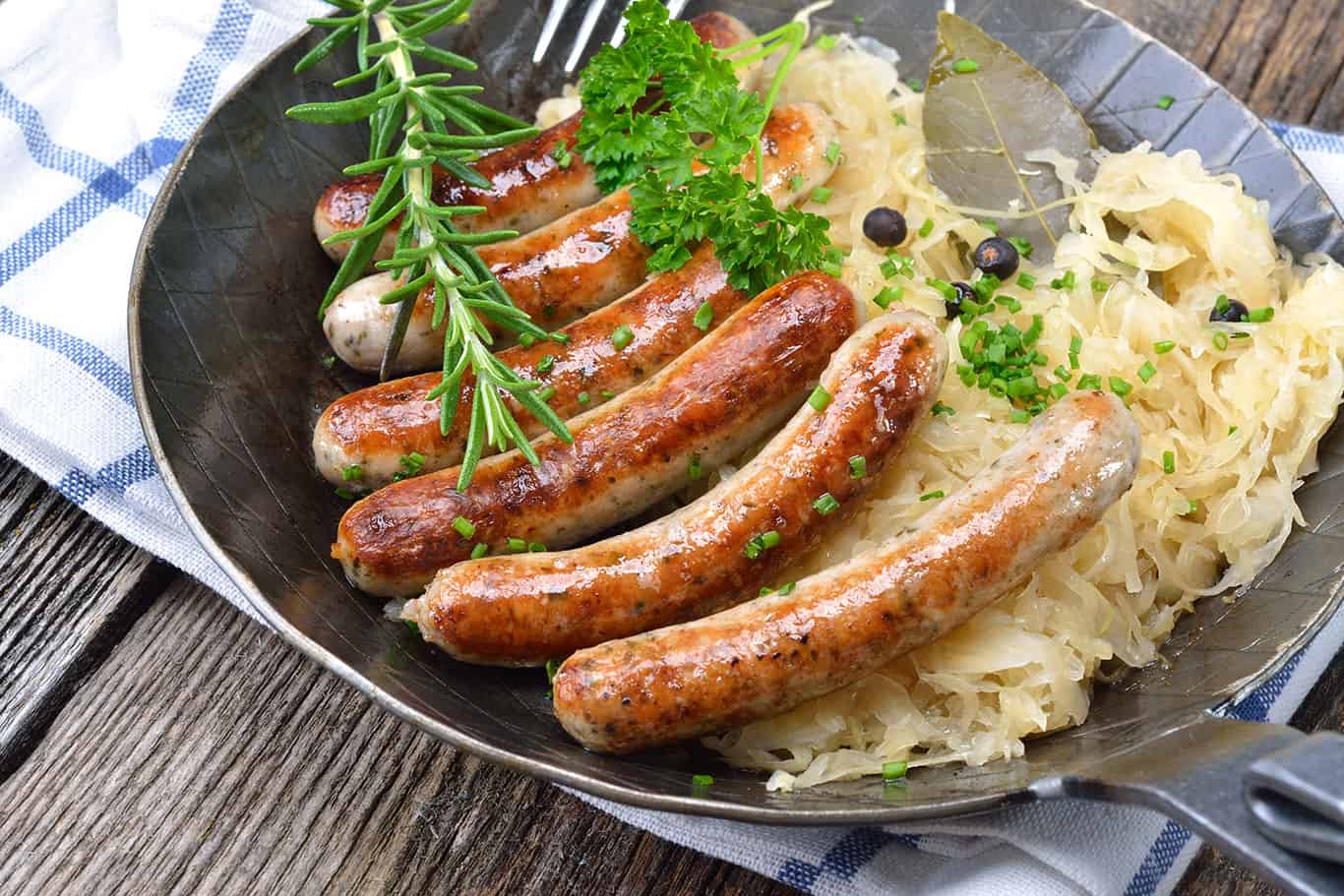
Condiments and accompaniments such as mustard, onion gravy, sauerkraut, roasted vegetables and mash can also influence the overall experience.
Frequently Asked Questions
Are vegan sausages gluten free?
Not always. Many contain wheat gluten, breadcrumbs, barley or other gluten-containing ingredients. Look for a clear gluten-free declaration if you need to avoid gluten.
Do vegan sausages contain soya?
Some do, but soya-free alternatives made with peas, beans, wheat, mushrooms or other ingredients are widely available. Check the allergen information on the packaging.
Can vegan sausages be cooked on a barbecue?
Many can, although some are softer than meat sausages. Use a clean cooking surface, moderate heat and careful handling. Follow the product instructions and avoid placing delicate sausages over intense flames.
Are vegan sausages suitable for vegetarians?
A product labelled vegan is also suitable for vegetarians because it contains no animal-derived ingredients. However, a vegetarian sausage is not necessarily vegan.
Why do some vegan sausages stick to the pan?
Products with a low fat content or delicate casing can stick to a dry pan. Use a small amount of oil, allow the pan to reach a moderate temperature and avoid moving the sausage before the surface has begun to brown.
Understanding what is inside a vegan sausage
Vegan sausages can be made from soya, peas, wheat gluten, pulses, mycoprotein, vegetables, grains or a mixture of several ingredients. Oils provide richness, starches and binders hold the filling together, and herbs, spices and savoury flavourings create the finished taste.
There is no single standard vegan sausage recipe. Some products aim to recreate the appearance and bite of a traditional meat sausage, while others celebrate their vegetables, beans and grains.
Reading the full ingredient list is therefore more useful than relying only on the words “vegan” or “plant-based”. Consider the protein source, allergens, nutritional information, cooking method and whether the product suits the dish you intend to prepare.
Franconian Sausage Co. specialises in premium meat sausages and speciality meat products made with high-quality ingredients and authentic in-house recipes. The company supplies restaurants, caterers, trade clients and members of the public throughout the UK.
Phone: 01892 837816
Email: orders@franconian.co.uk
Find out more: https://franconian.co.uk/