Pulled pork is popular at street food events because it combines rich flavour, tender texture and considerable serving flexibility. It can be piled into rolls, wrapped in flatbreads, spooned over chips, served with rice or used as the centrepiece of a loaded food box.
It is also practical for traders and caterers. Pork shoulder can be slow-cooked in advance, held at a safe serving temperature and portioned quickly when queues begin to build. A single batch can be paired with several sauces and accompaniments, allowing a food business to offer variety without preparing completely separate main ingredients.
The aroma also plays an important role. Slow-cooked pork, smoke, spices and barbecue sauce create a distinctive smell that carries through an outdoor market or festival. Customers often make purchasing decisions based on what they can see and smell, and a tray of steaming pulled pork has immediate visual and sensory appeal.
Pulled pork is not successful simply because it is fashionable. Its popularity comes from the way it meets the practical demands of street food while still feeling indulgent, generous and full of character.
What makes pulled pork suitable for street food?
Street food needs to be distinctive enough to attract attention but simple enough to prepare and serve efficiently.
Pulled pork performs well in both areas.
The meat can be strongly seasoned, smoked or coated in sauce, creating a memorable flavour. At the same time, it can be served with relatively little last-minute preparation.
Unlike dishes that require each portion to be cooked individually, pulled pork can be prepared as a large joint and then separated into smaller servings. This allows a trader to respond quickly during busy periods.
A practical street food dish normally needs to be:
- Easy to portion consistently
- Suitable for eating without formal table service
- Capable of being held safely during service
- Adaptable to different sauces and toppings
- Visually appealing when served
- Filling enough to feel good value
Pulled pork can satisfy all of these requirements when it is properly prepared and presented.
Why does slow cooking work so well for pork?
Pulled pork is usually made from a cut such as pork shoulder. This part of the animal contains connective tissue and intramuscular fat, which means it benefits from long, gentle cooking.
If pork shoulder is cooked too quickly, it can remain tough. When it is cooked slowly, the connective tissue gradually softens and the meat becomes tender enough to separate into strands.
This transformation creates the texture associated with pulled pork.
The cooking process also allows seasonings to develop over time. Salt, spices, smoke and cooking juices combine with the pork, creating a deeper flavour than would normally be achieved through brief grilling or frying.
Why is pork shoulder commonly used?
Pork shoulder has enough fat and connective tissue to remain moist during a long cook.
Leaner cuts can dry out before they become tender enough to pull. Shoulder is more forgiving because the fat helps lubricate the meat as it cooks.
The finished texture should be soft and easy to separate, but not wet and mushy. Individual strands of pork should still be visible.
A good batch of pulled pork balances:
- Tenderness
- Moisture
- Pork flavour
- Seasoning
- Smoke or roasted character
- Enough structure to hold in a roll or wrap
This balance makes the meat especially suitable for street food dishes.
Why does pulled pork have such broad appeal?
Pulled pork has a familiar flavour profile, even when it is served with adventurous sauces.
Pork, barbecue sauce, bread and slaw are recognisable ingredients for many UK customers. This lowers the risk involved in trying food from an unfamiliar trader.
At the same time, the dish can feel more exciting than an ordinary sandwich or burger. The slow-cooking process, visible strands of meat and generous toppings create a sense of craftsmanship.
This combination of familiarity and novelty is valuable at a street food event. Customers may want something different from what they eat at home, but they often still prefer flavours they understand.
Pulled pork can appeal to people who enjoy:
- Traditional barbecue flavours
- Sweet and smoky sauces
- Hot chilli sauces
- Savoury meat dishes
- Loaded chips and food boxes
- Generous sandwiches
- Slow-cooked comfort food
The basic ingredient is approachable, while the toppings can be adjusted to suit different tastes.
How does aroma influence its popularity?
Street food is a highly sensory environment.
Customers are surrounded by competing stalls, music, crowds and visual displays. Aroma can therefore become one of the strongest ways for a trader to attract attention.
Pulled pork is particularly effective because it can combine several noticeable aromas:
- Roasted pork
- Wood smoke
- Caramelised sugar
- Barbecue spices
- Garlic and onion
- Warm bread
- Vinegar-based sauces
These smells can travel beyond the immediate serving area.
A customer may notice the aroma before seeing the stall or reading the menu. This creates curiosity and encourages impulse purchases.
The sight of the meat being pulled, mixed with sauce or piled into a roll can reinforce that attraction. Open preparation makes the food feel fresh and abundant, provided hygiene and temperature controls remain properly managed.
How can pulled pork be served at events?
One reason for the continuing popularity of pulled pork is that it can be served in many formats.
A trader can create a focused menu using one main protein while offering several different meals.
Pulled pork rolls
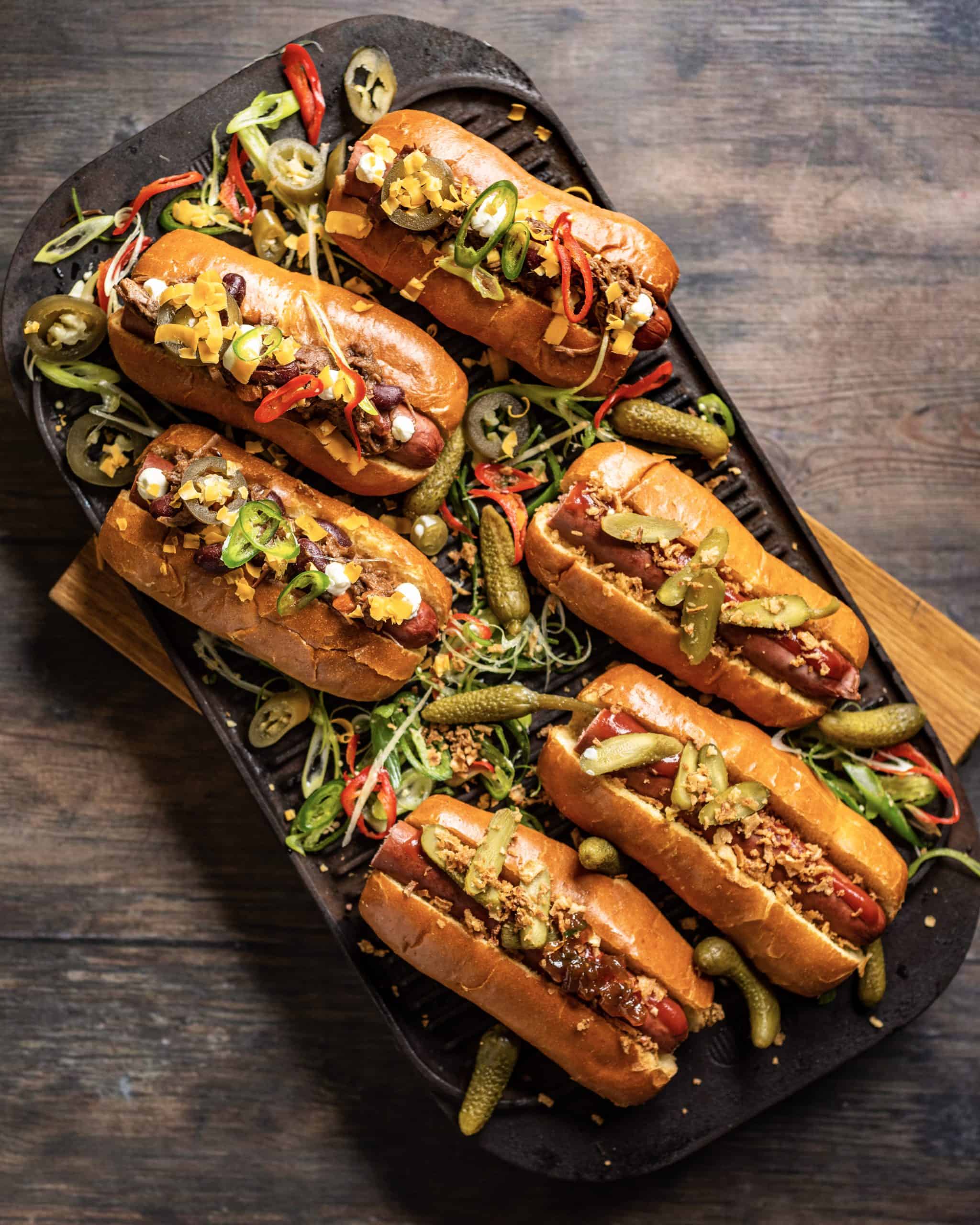
The most recognisable option is a soft roll filled with pulled pork, sauce and slaw.
The bread contains the filling and makes the dish easy to eat while standing or walking. A sturdy roll is important because very soft bread can collapse when exposed to hot meat and sauce.
Common additions include:
- Coleslaw
- Pickled onions
- Gherkins
- Jalapeños
- Crispy onions
- Apple sauce
- Mustard
- Barbecue sauce
The best toppings add contrast without making the roll difficult to handle.
Why is coleslaw often served with pulled pork?
Coleslaw provides crunch, freshness and acidity.
Pulled pork can be rich and soft, especially when mixed with a sweet sauce. Slaw creates a contrasting texture and helps cut through the fat.
A vinegar-led slaw can make the dish feel lighter. A creamy slaw creates a milder, more indulgent result.
Red cabbage, carrot, fennel, apple and herbs can all be used to give the accompaniment a more distinctive character.
Loaded chips
Pulled pork loaded chips are popular because they combine two comforting foods in one serving.
The chips provide a crisp and salty base, while the pork adds moisture and richness. Cheese, sauces, spring onions, pickles and chillies can then be layered on top.
This format also gives customers the impression of receiving a substantial portion.
However, balance matters. Too much sauce can make the chips soggy, while an excessive quantity of toppings can be difficult to eat from a tray.
Serving the sauce in controlled amounts helps maintain texture.
Wraps, tacos and flatbreads
Pulled pork works well in a wrap because the strands can be distributed evenly rather than forming one thick piece of meat.
This format allows traders to use brighter accompaniments such as salsa, pickled cabbage, coriander, chilli and lime.
The filling can be influenced by several food traditions, although businesses should avoid presenting an improvised recipe as an authentic regional dish when it does not follow that tradition.
Clear menu descriptions are more useful than vague claims of authenticity.
Rice bowls and food boxes
Pulled pork can also be served with rice, beans, roasted vegetables or salad.
This format can feel more like a complete meal than a sandwich. It may appeal to customers who do not want bread or who prefer a larger sit-down portion.
Food boxes are also useful for events where customers have access to tables and seating.
Macaroni cheese and pulled pork
Pulled pork is sometimes served over macaroni cheese.
Both elements are soft, rich and comforting, so the dish can be highly indulgent. Sharp pickles, chilli sauce or crisp onions help provide contrast.
Without acidity or texture, the combination can become heavy. Successful street food dishes often depend on carefully chosen contrasts rather than simply adding more rich ingredients.
Why is pulled pork practical for busy food traders?
A successful street food operation must manage preparation, storage, queue times and portion control.
Pulled pork can be well suited to this operating model because much of the work happens before service begins.
The pork can be cooked slowly in a controlled kitchen environment. Once tender, it can be rested, pulled, seasoned and divided into suitable batches.
During service, the meat can be reheated or held in line with food safety requirements and portioned as orders arrive.
This avoids the delay involved in cooking a thick piece of meat for every customer.
Faster service during busy periods
At festivals, markets and large events, demand can arrive in waves.
Customers may be happy to queue for a popular stall, but slow service can still cause lost sales. Pulled pork can be assembled quickly when the bread, sides, sauces and garnishes are organised efficiently.
A simple service process may involve:
- Preparing the roll or container
- Adding a measured portion of hot pork
- Applying sauce
- Adding slaw or other toppings
- Finishing and handing over the order
This process can be repeated consistently by a trained team.
Portion control and menu pricing
Pulled pork can be portioned using scales, scoops or defined serving utensils.
Consistent portions help a trader manage food costs and ensure customers receive the same value throughout the event.
The meat also works with relatively inexpensive accompaniments such as rolls, potatoes, cabbage, rice and beans. These ingredients can create a generous-looking dish without relying entirely on a very large portion of pork.
That does not mean pulled pork is automatically cheap to produce. Good-quality meat, long cooking times, energy use, staff preparation, sauces, packaging and event fees all affect the final price.
However, the format gives traders flexibility in how they construct and price each serving.
Can one batch support several menu options?
Pulled pork gives street food businesses an efficient way to offer choice.
The same base meat can appear in a roll, loaded chips, a rice bowl and a smaller children’s portion. Each version can use different toppings and sauces.
This can make the menu look varied without placing excessive pressure on kitchen preparation or storage.
For example, a trader might serve:
- Classic barbecue pulled pork roll
- Hot chilli pulled pork chips
- Pulled pork and slaw wrap
- Smoky pulled pork rice box
These dishes share many ingredients, but each has a different appearance and flavour emphasis.
A carefully limited menu is often easier to execute well than a long list of unrelated dishes.
Why do sauces matter so much?
Sauce helps define the finished character of pulled pork.
The meat itself should be well seasoned, but the final sauce can move the dish towards sweet, smoky, spicy, tangy or savoury flavours.
Popular options include:
- Sweet barbecue sauce
- Mustard-based sauce
- Chilli barbecue sauce
- Cider and apple sauce
- Smoky tomato sauce
- Vinegar-based dressing
The sauce should support the pork rather than disguise it.
Over-saucing can make the meat taste one-dimensional and create a messy serving. It can also make every menu option taste similar, regardless of the toppings.
Some traders mix a small quantity of sauce through the meat to maintain moisture, then add a separate finishing sauce to order.
This gives the customer a more balanced combination of pork flavour and seasoning.
What makes a good pulled pork street food dish?
The best pulled pork dish is not simply the one containing the largest amount of meat.
It needs contrast, balance and a practical serving format.
Tender but not wet
The pork should pull apart easily but should not be swimming in liquid.
Excess cooking juice can soak through bread, soften chips and collect at the bottom of a food box.
The meat should be moist enough to eat comfortably while retaining some texture.
Richness balanced by acidity
Pulled pork and barbecue sauce can both be rich and sweet.
Pickles, vinegar slaw, mustard, apple or chilli can make the dish more balanced. Acidity refreshes the palate and stops each mouthful from feeling heavy.
Softness balanced by crunch
The meat and bread are often soft. Adding crispy onions, fresh cabbage, crackling or pickled vegetables can create a more satisfying range of textures.
The crunchy element should be added close to serving so it does not soften prematurely.
Clear, manageable presentation
Street food is normally eaten without a full place setting.
A roll should hold together, a loaded tray should be easy to reach with a fork and a wrap should not release its filling after the first bite.
Packaging must suit the dish rather than being chosen only for appearance.
Why is pulled pork associated with indulgence?
Pulled pork is often presented as a treat.
The long cooking time suggests care and patience, while the tender meat, shiny sauce and generous presentation create visual richness.
It also appears frequently at festivals, markets, barbecues and celebrations. This helps build an association with leisure rather than routine weekday meals.
Customers may be more willing to choose an indulgent dish when attending a food event because eating is part of the experience.
The appeal is emotional as well as practical. A warm pulled pork roll can feel comforting on a cool day, while smoky barbecue flavours suit outdoor summer events.
What are the challenges of serving pulled pork?
Despite its advantages, pulled pork must be handled carefully.
Long cooking does not remove the need for strict temperature control and hygienic service. Cooked meat must be cooled, stored, reheated and held safely.
The pork can also dry out if it is left uncovered or held for too long. Adding excessive sauce may hide dryness temporarily, but it will not restore the original texture.
Other potential challenges include:
- Inconsistent portion sizes
- Bread becoming soggy
- Fat separating during holding
- Overly sweet sauces
- Limited options for non-meat eaters
- Cross-contamination during service
- Running out during peak periods
Planning batch sizes and monitoring demand are therefore essential.
A business should also ensure that allergen information is accurate. Sauces, bread, mustard, slaw and seasoning blends may contain allergens even when the pork itself does not.
Does pulled pork work for different seasons?
Pulled pork is versatile enough to suit both summer and winter events.
In summer, it can be served in barbecue-style rolls, wraps and lighter bowls with crisp slaw.
During colder months, it works well with chips, macaroni cheese, stuffing, gravy or roasted vegetables.
Seasonal sauces can also keep the menu fresh. Apple and mustard may suit autumn, while chilli, lime and fresh herbs can produce a brighter summer dish.
This adaptability helps pulled pork remain relevant throughout the street food calendar rather than being restricted to one type of event.
Frequently Asked Questions
What cut of pork is best for pulled pork?
Pork shoulder is commonly used because it contains enough fat and connective tissue to become tender during slow cooking. Leaner cuts are more likely to dry out before they can be pulled easily.
Is pulled pork always served with barbecue sauce?
No. Barbecue sauce is popular, but pulled pork can also be served with mustard-based sauces, cider gravy, chilli sauce, apple, vinegar dressings or simply its seasoned cooking juices.
Can pulled pork be prepared in advance?
Yes. It is often cooked in advance because the process takes several hours. It must be cooled, stored, reheated and held in accordance with appropriate food safety procedures.
Why does pulled pork sometimes become dry?
Pulled pork can dry out if the meat is too lean, cooked at excessive heat, held for too long or separated from its cooking juices. Gentle cooking and careful temperature control help preserve moisture.
What goes well with a pulled pork roll?
Coleslaw, pickled onions, gherkins, mustard, apple sauce, jalapeños and crispy onions all work well. The best accompaniments provide acidity, freshness or crunch to balance the rich meat.
Why pulled pork continues to attract street food customers
Pulled pork succeeds at street food events because it offers the qualities both customers and traders value.
For customers, it is tender, aromatic, familiar and indulgent. It can be combined with sweet, smoky, spicy or tangy flavours and served in a generous, visually appealing format.
For traders, it can be prepared in batches, portioned consistently and served quickly. One base ingredient can support several dishes, helping a business create choice without making its operation unnecessarily complex.
Its continuing popularity also comes from its adaptability. Pulled pork can be served in a classic barbecue roll, a loaded tray, a wrap or a complete food box. It can suit a summer festival, an autumn market or a winter event simply by changing the accompaniments.
The strongest pulled pork street food dishes still depend on quality and balance. Tender meat, controlled seasoning, fresh toppings and suitable packaging matter more than simply adding a large quantity of sauce.
Franconian Sausage Co. produces premium sausages and speciality meat products using high-quality ingredients and recipes developed in-house. Fresh, made-to-order production is available for restaurants, caterers, trade clients and members of the public.
Phone: 01892 837816
Email: orders@franconian.co.uk
Find out more: https://franconian.co.uk/